This FAO and IFAD report emphasizes that transforming agrifood systems through integrated, system-wide policies is essential to achieve food securi
Other content with the tag "Food Systems Transformation".
This working paper by the Global Alliance for Improved Nutrition (GAIN) investigates whether consumers in Indonesia, Bangladesh, and Kenya consider
This UNICEF framework addresses the “triple burden” of child malnutrition—undernutrition, micronutrient deficiencies, and overweight/obesity—throug
This UNICEF Programme Guidance outlines a principled and strategic approach for engaging with the food and beverage (F&B) industry to protect a
This working paper by the Global Alliance for Improved Nutrition (GAIN) investigates whether consumers in Indonesia, Bangladesh, and Kenya consider

This project overview details a Technical Cooperation Programme (TCP) aimed at transforming food systems in 12 Pacific Island Countries.

This paper discusses the urgent need to transform food systems to address global challenges related to climate, biodiversity, equity, and nutrition

This profile assesses Malawi’s food systems, examining key challenges such as food insecurity, climate vulnerability, and low agricultural producti

This report by the Food Systems Countdown Initiative tracks the transformation of global food systems across 50 indicators.

This report compiles two decades of research on biofortification, showcasing its effectiveness in improving nutritional outcomes, particularly for

This report highlights Nigeria’s high burden of malnutrition, which results in significant economic and health costs.

This strategy outlines an approach to transform food systems globally by leveraging cities as focal points.
This report from the Global Alliance for Improved Nutrition (GAIN) outlines their policy approach to transforming food systems globally, focusing o
This facilitator handbook is designed to equip young people with leadership skills for advancing fairer, more sustainable food systems.

The Global Alliance for Improved Nutrition (GAIN) developed a Political Economy Decision Toolkit to help practitioners navigate policy bottlenecks
This policy brief evaluates Nigeria's 2016–2025 National Policy on Food and Nutrition and outlines the need for a revised, food systems-transformat


Transformation is fundamental change that happens over time.

Multi-stakeholder mechanisms (MSMs) constitute an important element for embedding collaborative and coordinated food systems approaches in policies

The United Nations Food Systems Summit aimed to chart a path


This paper discusses the critical importance of expanding ‘food systems infrastructure’ as a necessary pre-condition for improving access to health

Achieving food and nutrition security and ending hunger is a complex and multi-faceted global challenge, which requires urgent attention, particula
Poor diets are responsible for more of the global burden of disease than sex, drugs, alcohol, and tobacco combined.

Globally, gender inequalities constrain food security, with women often disproportionately affected.


Food Systems and Diets: a handbook of essential policies is an accumulation of the Global Panel’s policy briefs to d

In the face of global food and nutrition crises, incremental adjustment in existing technology is not enough; the future of food systems hinges on
Climate change, rapid urbanization, war, and economic recession are key drivers of the current food systems’ disruption, which has been exacerbated
This book explains how True Cost Accounting is an effective tool we can use to address the pervasive imbalance in our food system.

There is broad scientific consensus that current food systems are neither sustainable nor resilient: many agricultural practices are very resource-

High-performing food systems provide healthy and nutritious diets. They create dignified livelihoods for producers and benefit the economy.

Reducing post-harvest loss is one promising way to make nutritious foods more available, accessible, and affordable - all while improving the envir

The scope of potential action in food systems is large.
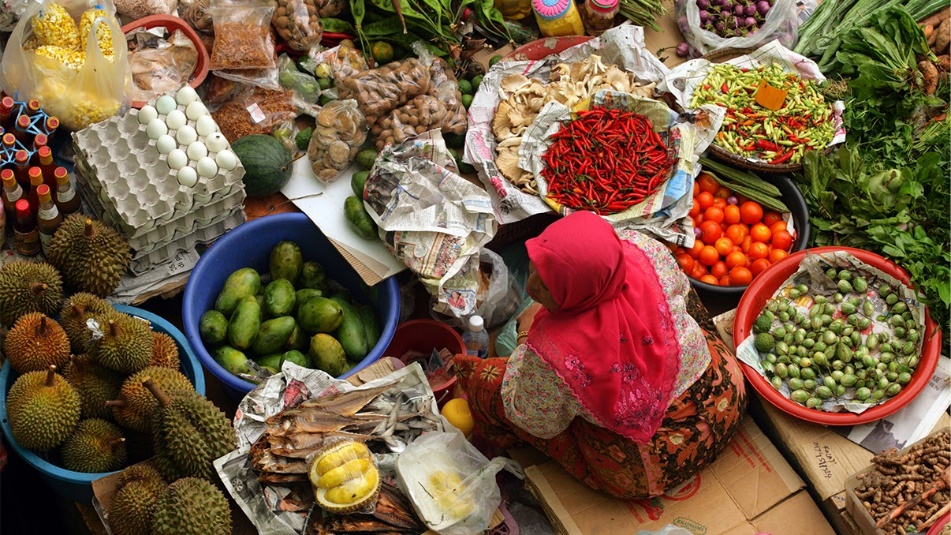
Assessing positive and negative features of diets is key to understanding the causes of poor health and nutriti

Improving infant and young child feeding (IYCF) practices is key for reducing the high burden of malnutrition in Mozambique.

Food system innovations will be instrumental to achieving multiple Sustainable Development Goals (SDGs).

Aquatic foods are increasingly recognized for their key role in food security and nutrition, not just as a source of protein, but also as a unique

The mindset of food leaders the world over has changed as a result of the UN Food Systems Summit (UNFSS) of 2021.
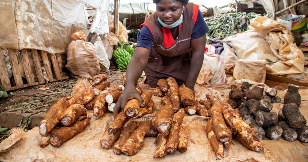
Foodborne diseases are a significant cause of illness in low- and middle-income countries (LMICs).

Using a theory of change (TOC; a simplified definition of how and why an intervention is expected to work) or a programme impact pathway (PIP; a mo
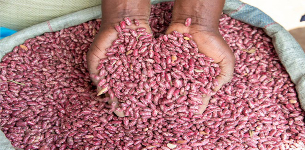
Biofortification of staple crops has the potential to contribute to reducing micronutrient deficiencies by increasing micronutrient intakes.
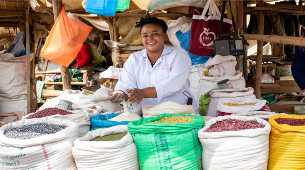
The Commercialisation of Biofortified Crop (CBC) programme, jointly led by the Global Alliance for Improved Nutrition (GAIN) and HarvestPlus, aims

Increased rural-urban migration has seen the world’s diet also becoming more ‘urbanised’, with meals cooked at home increasingly replaced b

The WHO Secretariat has prepared a draft WHO Global Strategy (Released on 21 April 2022) for Food Safety with the advice of the Technical Advisory