This study shows that children’s eating habits are shaped by school policies, family influence, peers, and cultural norms, with factors like lunchb
Other content with the tag "Child Nutrition".
This study shows that nutrition literacy among primary school students is moderate, with only about 30% reaching adequate levels.
This study finds that simplified treatment protocols for severe acute malnutrition significantly reduce relapse rates compared to standard approach
This study optimizes a composite flour using bio-fortified maize and iron-rich beans to improve vitamin A and iron intake in young children.
This UNICEF framework addresses the “triple burden” of child malnutrition—undernutrition, micronutrient deficiencies, and overweight/obesity—throug
The SPOON Foundation's mobile app supports caregivers in monitoring child growth, screening for feeding difficulties, and detecting anemia.
This report reviews India’s progress in implementing community-based management of severe acute malnutrition (CMAM) for children under five, drawin
This compilation offers a comprehensive overview of major research publications, evaluations, and policy engagements conducted in India between 201
This comprehensive data report by UNICEF presents a global snapshot of the nutritional status of children and women, with a particular focus on ear
FAO’s action plan guides efforts to improve school food systems, promote healthy diets, and foster inclusive food education.
This case study from Myanmar demonstrates how powdered small indigenous fish species (SIS) can improve child nutrition.
UNICEF’s assessment reviews 72 studies linking gender-based violence (GBV) against women to poor child nutrition outcomes, including low birthweigh
This UNICEF note provides evidence-based guidance on using SQ-LNS to prevent undernutrition in children aged 6–23 months.
This UNICEF framework outlines how child nutrition and climate change are interconnected, with the climate crisis exacerbating malnutrition through
This UNICEF policy brief underscores the intersection between climate change and child malnutrition.
A participatory educational tool developed by Holt International to promote good nutrition and hygiene among families.

The Seeds of Prosperity programme works through commodity supply chains to improve workers’ diets and hygiene practices.
The International Plant Protection Convention (IPPC) 2024 edition, published by FAO, outlines global phytosanitary measures to prevent the spread a

This report examines the prevalence of stunting and malnutrition in Afghanistan, highlighting trends from the 2004 and 2013 National Nutrition Surv
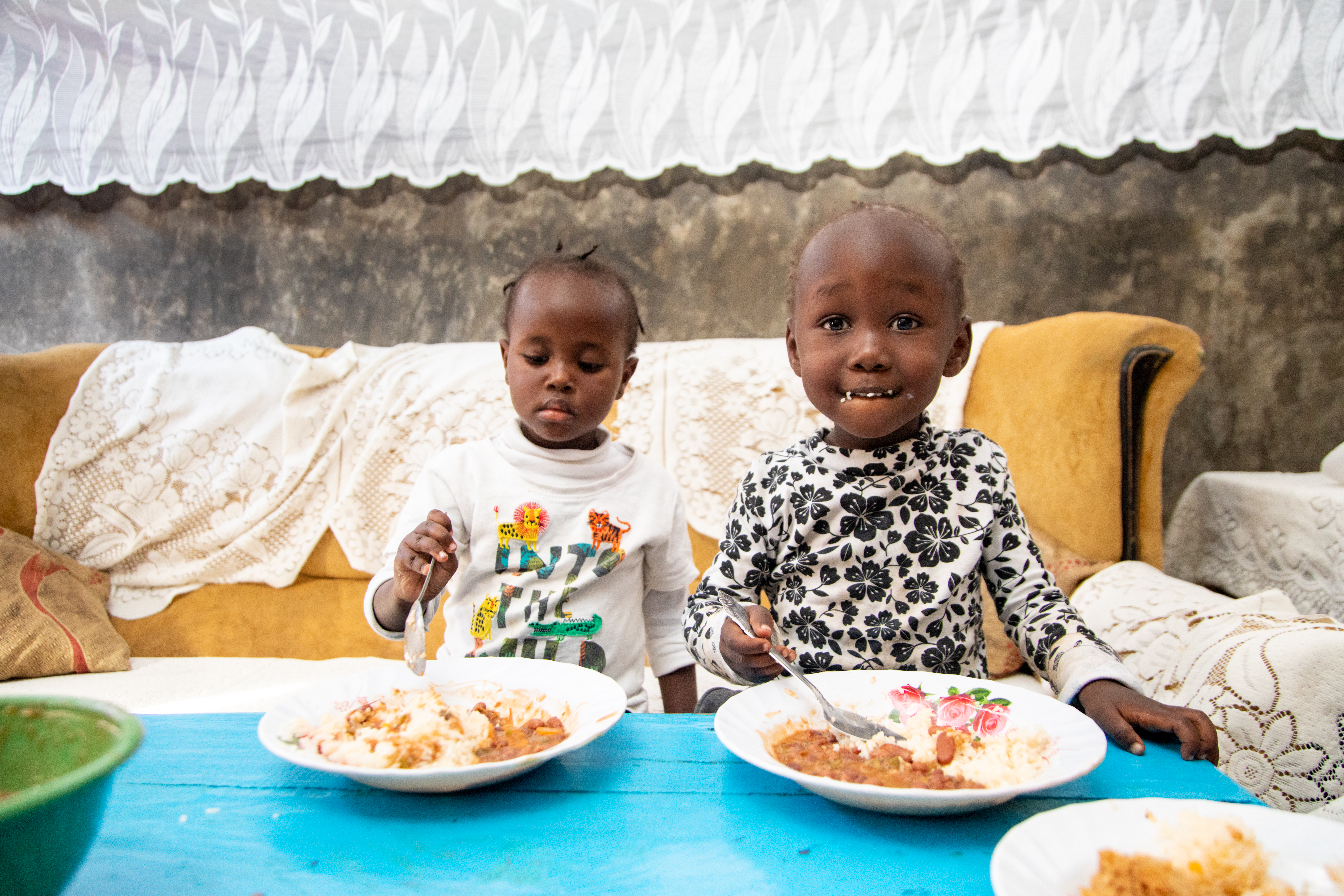
This GAIN brief explores how Human-Centered Design (HCD) was applied to improve Nigeria’s National Homegrown School Feeding Programme (NHGSFP).
This scoping review evaluates policies, data, and interventions aimed at reducing child stunting in Afghanistan.
This article explores the prevalence and causes of acute malnutrition among children under five in Faryab, Afghanistan.

This study examined sugary drink consumption among Australian children aged 4–11 and their parents.
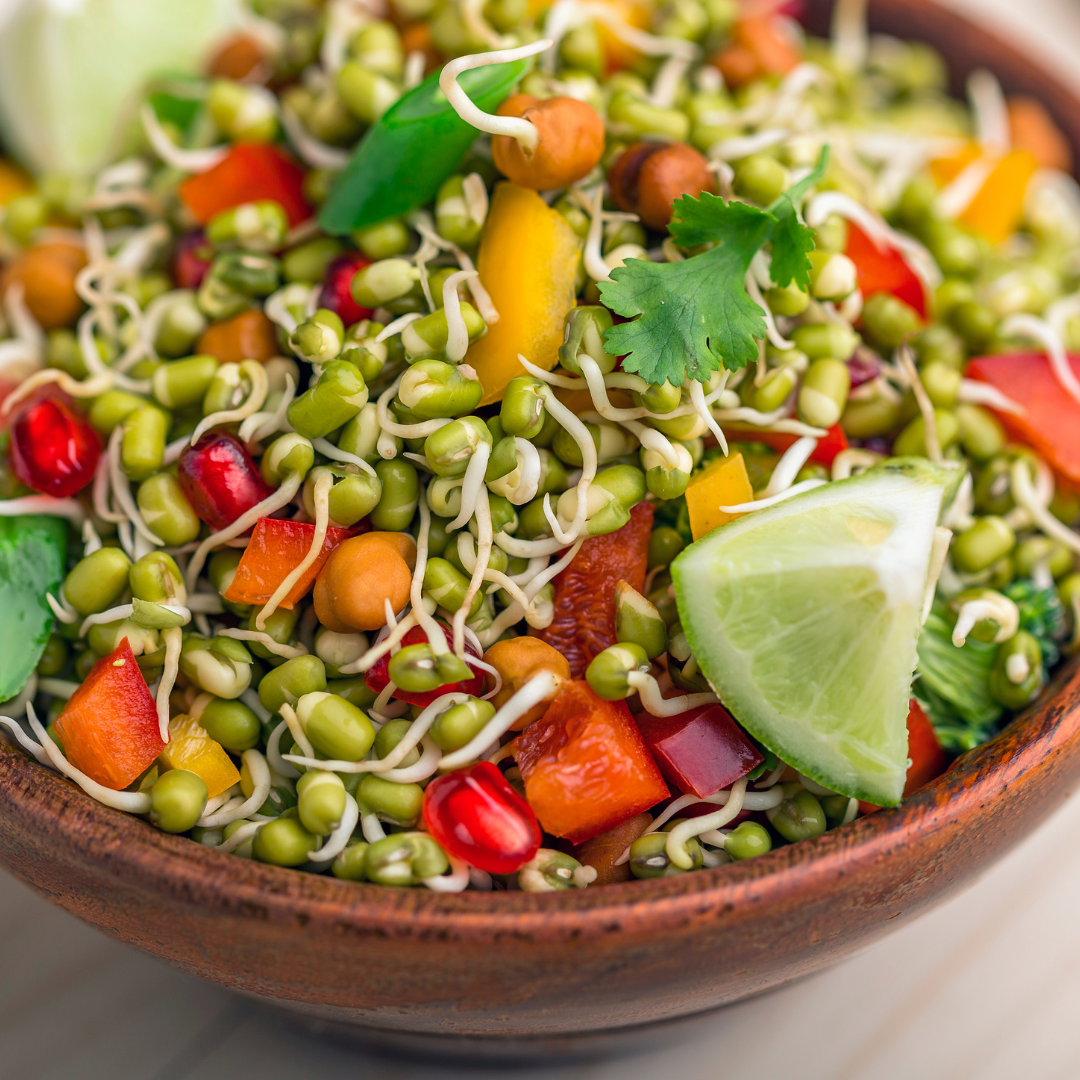
This study evaluates the effectiveness of the Positive Deviance/Hearth (PD/Hearth) intervention, a community-based nutrition program implemented by

This study examines the impact of women’s empowerment on dietary diversity and child nutritional outcomes in Odisha, India.
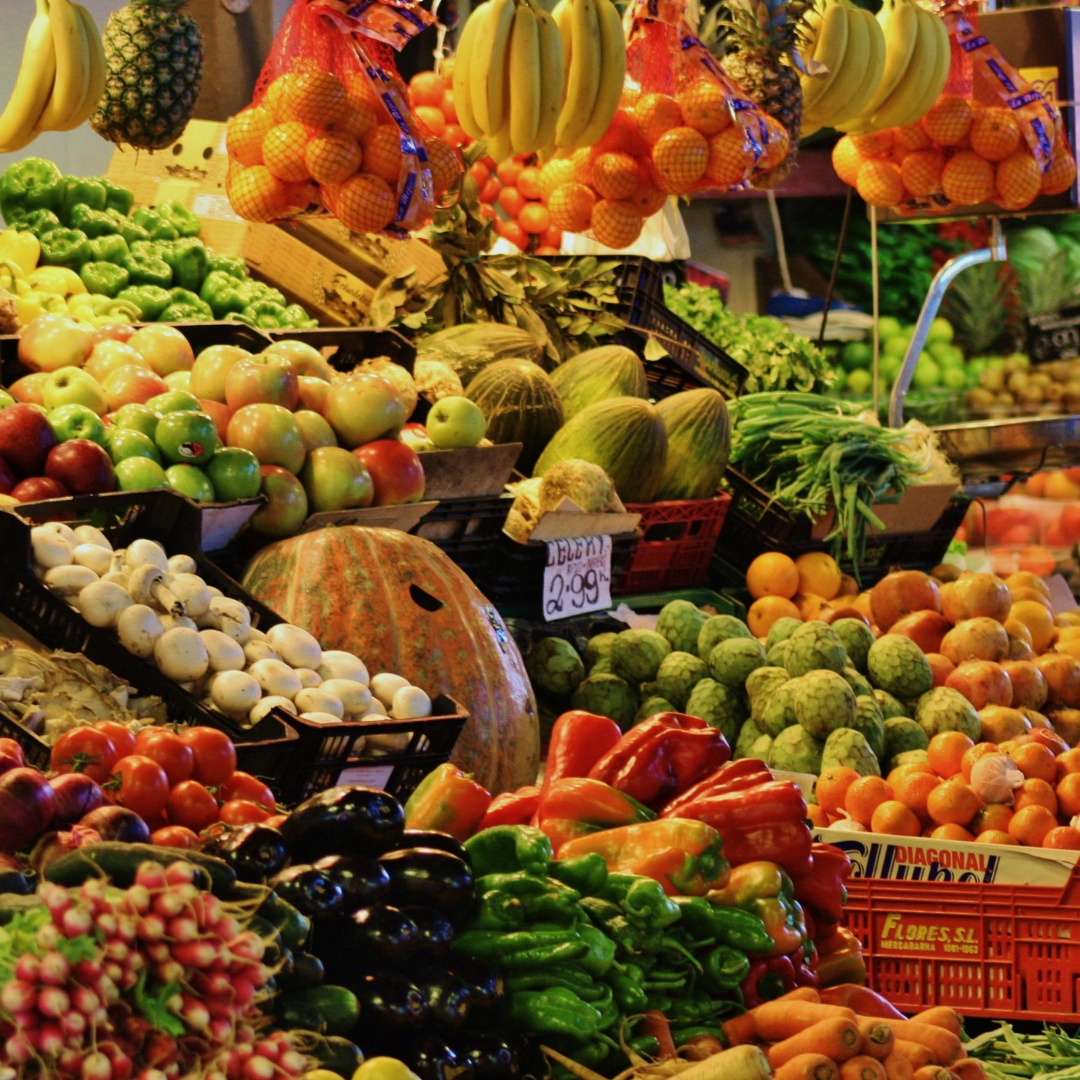
This study assesses Swedish 4th graders’ intake of vegetables and fruit provided through government-funded school lunches.
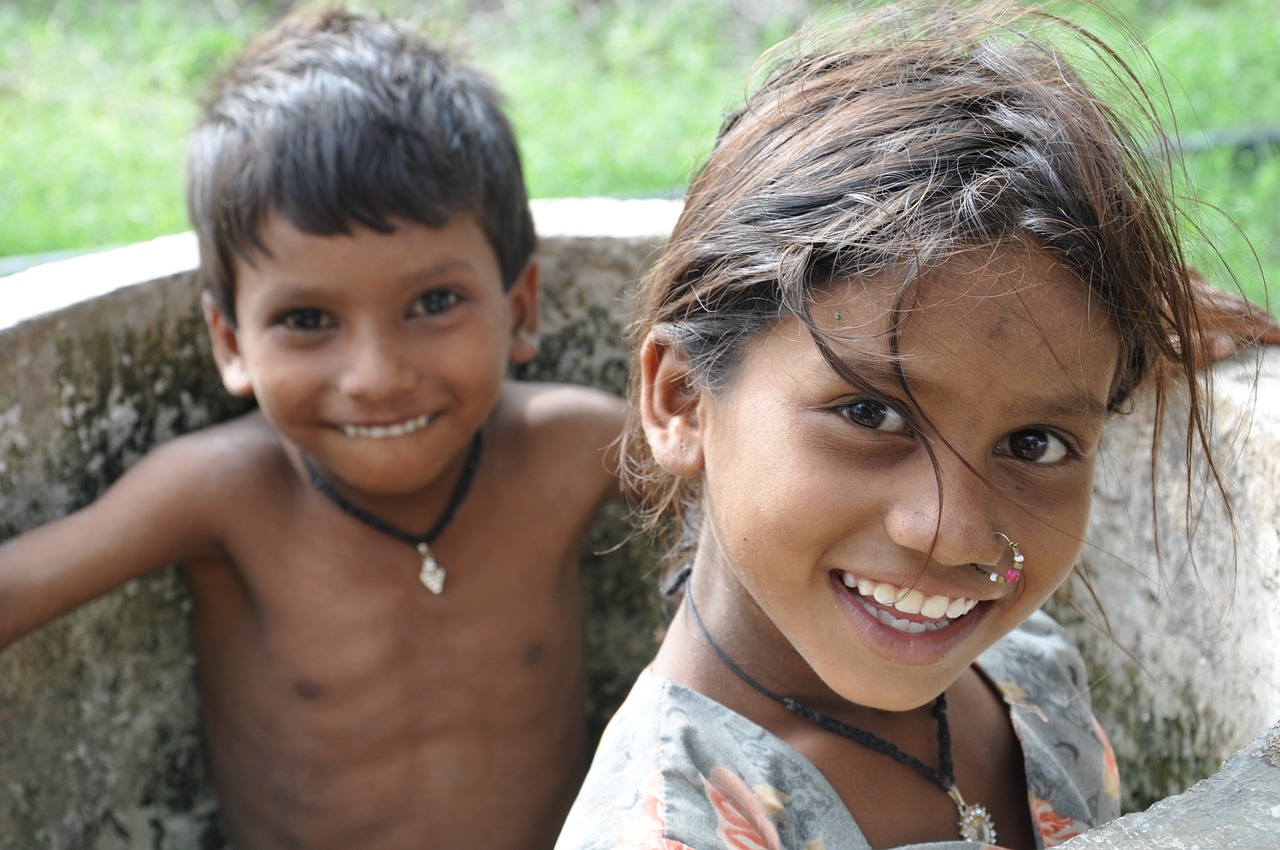

This randomized controlled trial, conducted by David C.
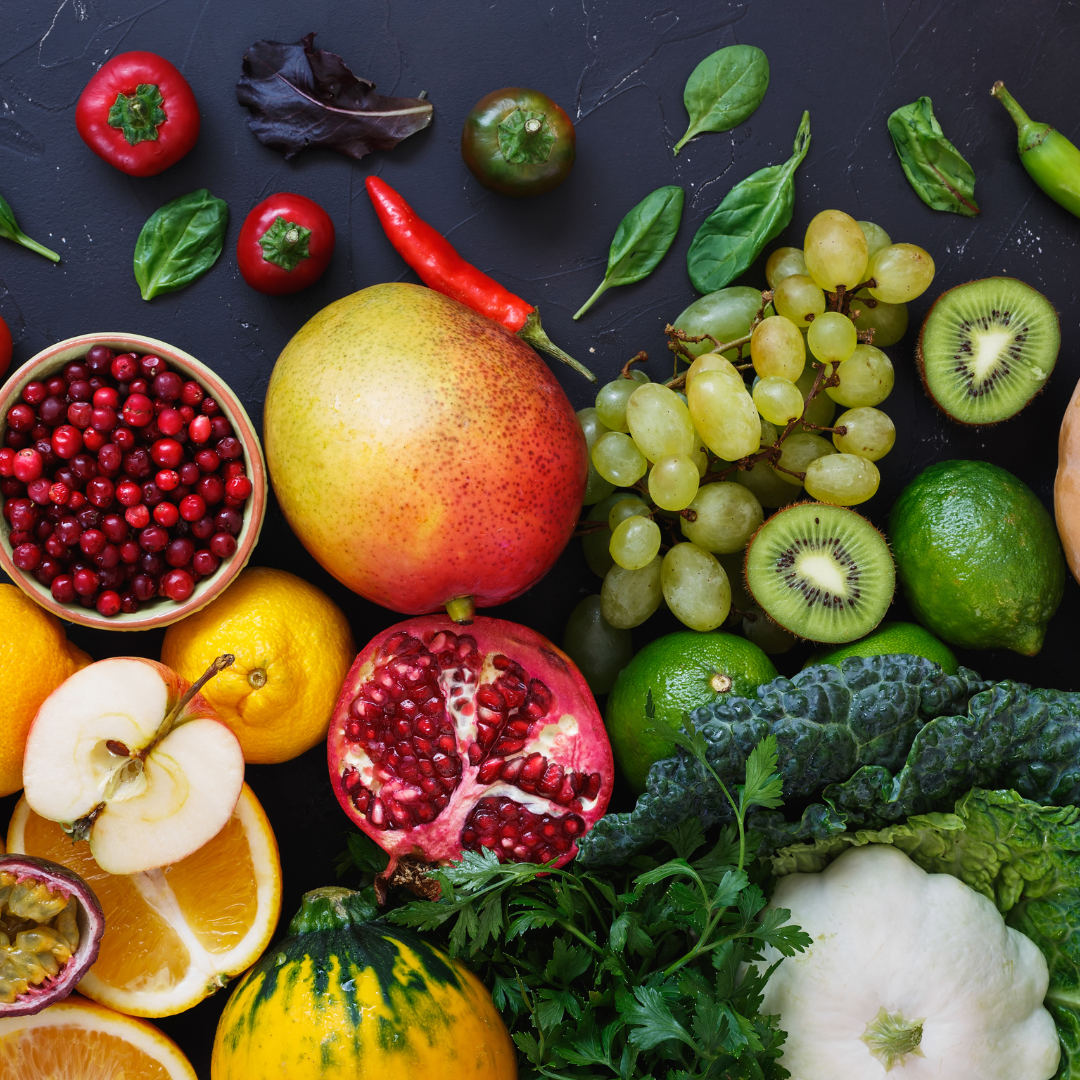
The article "Access to Credit and Child Nutritional Outcomes in Ghana" investigates the impact of access to credit on child nutrition in the Savann
Impact of Nutritional Interventions and Antenatal Care on Stunting in Indonesia: A Systematic Review
The article "Impact of Nutritional Interventions and Antenatal Care on Stunting in Indonesia: A Systematic Review" analyzes the effectiveness of nu
Women’s decision-making is a phenomenon in children's nutritional outcomes.

The World Health Organization (WHO) have released a new guideline, “Policies to protect children from the harmful impact of food marketing”

In many developing countries, food environments are changing rapidly.