This FAO bulletin highlights recent food policy developments, market trends, and food security conditions in the Near East and North Africa, emphas
Other content with the tag "Food Policy".
This fact sheet outlines a 2026–2028 initiative to strengthen large-scale food fortification in Tanzania by improving compliance, premix quality, a
Nutrient deficiencies and related undernutrition (including stunting, wasting, and anemia) are widespread in low- and middle-income countries (LMIC
This annual report by The Food Foundation provides a comprehensive assessment of the UK food system, examining how the food environment shapes diet
This policy stocktaking report analyses France’s national approach to reducing food loss and waste (FLW) across the entire food supply chain, based
This prospective cohort study analyzed 7,138 UK civil servants from the Whitehall II study to explore how long-term trajectories of ultra-processed

This editorial from Nature Food introduces a focus issue examining how food environments influence human health and dietary choices.
This post hoc analysis of the SELECTION trial evaluates baseline factors predicting sustained corticosteroid-free remission in ulcerative colitis (

This policy brief outlines key strategies to improve nutrition in Papua New Guinea, particularly in Simbu and Eastern Highlands, by strengthening n
This study explores the links between food system transformation and rising obesity rates in Latin America.
This study explores the food environment in urban schools in Lusaka, Zambia, analyzing factors influencing adolescent food choices.

This study examines perceived healthiness and social norms surrounding sugary drinks across five countries (Australia, Canada, the United Kingdom,

This study presents an optimization model for vitamin D fortification in Belgium, using food consumption data to identify the most effective food v

This study assesses knowledge, attitudes, and behaviors regarding salt and sugar intake among Fijian adults.

This study, initiated by the WHO, synthesizes expert perspectives on defining sustainable, healthy diets and the policies required to implement the

This article critiques the European Union’s approach to consumer food information laws, arguing that simply providing information does not effectiv
This protocol, authored by Jacqui Webster and colleagues, outlines a five-year project aimed at addressing the non-communicable disease (NCD) crisi
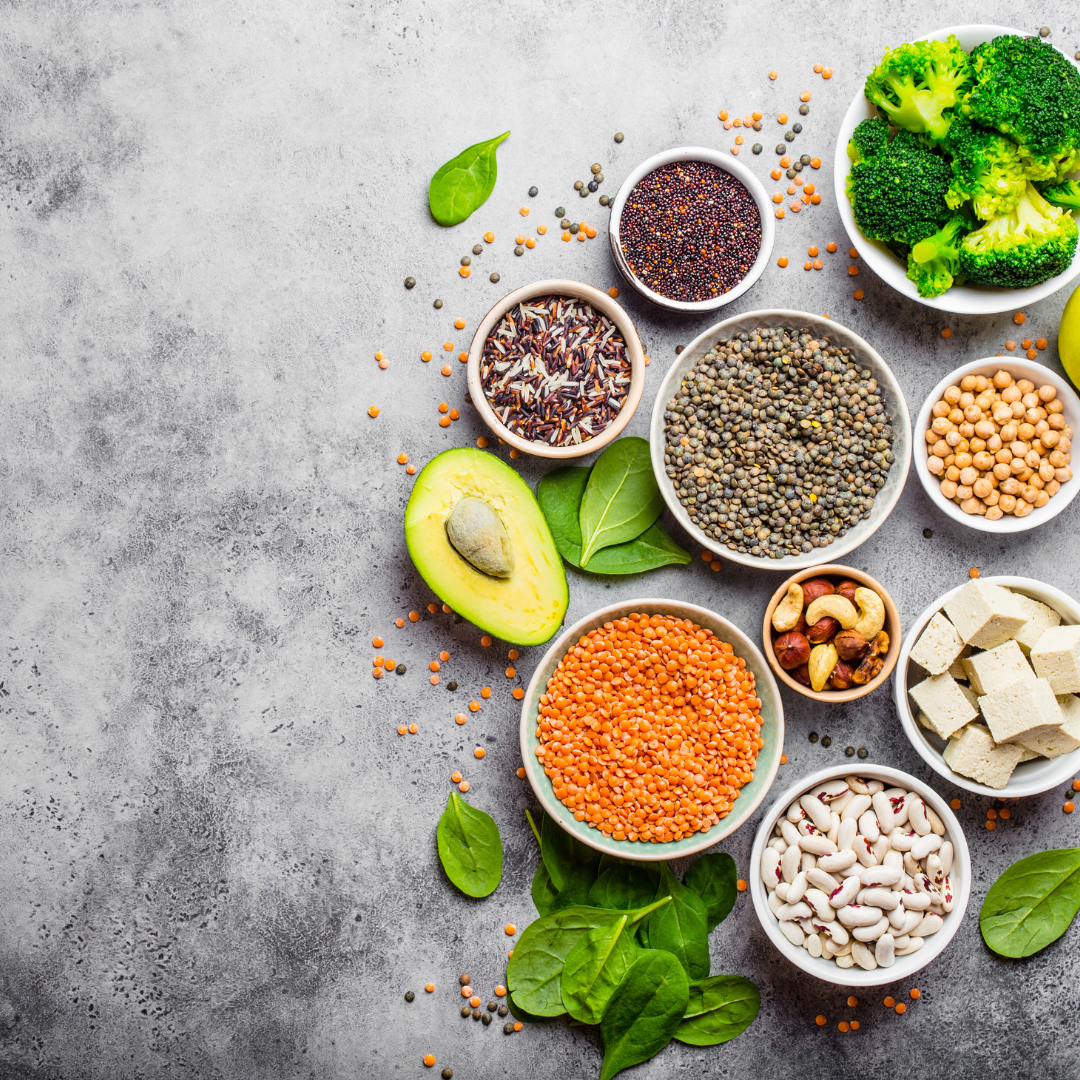
Authored by Farah Naja, this study evaluates the environmental footprints (EFPs) of food consumption patterns among Lebanese adults.
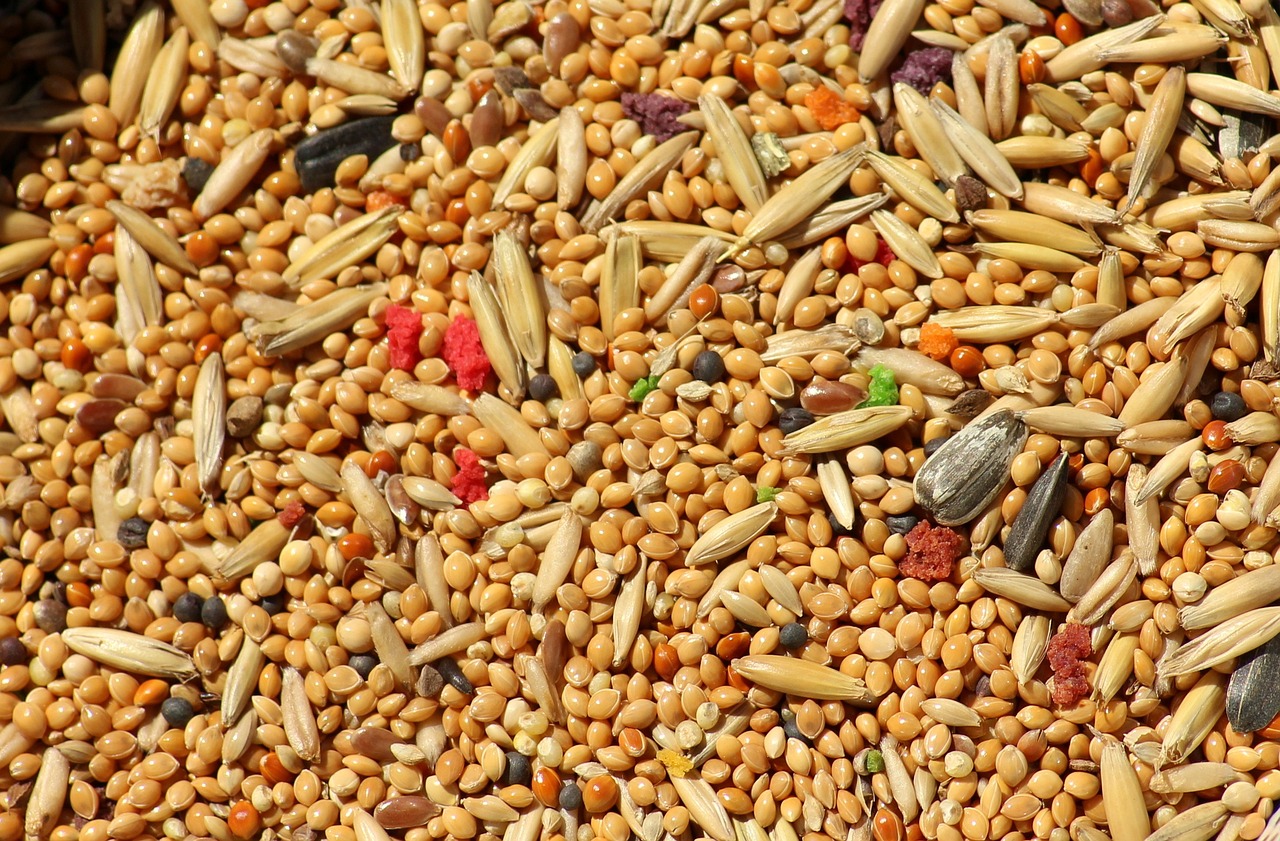
This chapter highlights millets' potential in combating malnutrition and enhancing food security amidst climate change.

This article presents a systematic review of the literature on policy options to improve food security and nutrition in developing countries, and a
This article presents a systematic review of the literature on policy options to improve food security and nutrition in developing countries, and a

The question addressed in this brief concerns how can governments pursue food systems transformation in the face of severe financial constraints, f
The food environment in which people exercise food choices significantly impacts their dietary patterns.

The adoption of a harmonised front-of-pack nutrition labelling (FoPNL) scheme has significant advantages from at least four perspectives.

For over 20 years, the EU has struggled to protect children from the harmful impact of food marketing even though food marketing has been identifie

Global diets need to become more sustainable if we are to tackle the climate crisis.

Being informed about the composition and harms of products intended for personal consumption should be a straightforward request.

Reformulation, a change to a food or beverage's processing or composition, can reduce potentially harmful ingredients such as salt, added sugar, an

To articulate what it means to take a food systems approach and support policymakers around the world to do so, R4D and City, University of London


Planetary health brings together intrinsically linked issues of human health and natural systems.

Current food systems fail to recognise the diversity of aquatic foods and their potential to contribute to sustainable healthy diets and their

Achieving food and nutrition security and ending hunger is a complex and multi-faceted global challenge, which requires urgent attention, particula

Globally, gender inequalities constrain food security, with women often disproportionately affected.
The mitigation of greenhouse gases in the agri-food sector depends on production and consumption patterns.
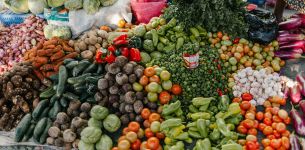
A call to governments to enact a strategy for a sustainable food system is high on the global agenda.

Ultraprocessed products (UPPs), associated with obesity and non-communicable diseases (NCDs), are becoming predominant on the global market and a t

This brief examines estimates produced by several recent model simulations and frameworks that focus on the cost of ending hunger as well as progre
This book explains how True Cost Accounting is an effective tool we can use to address the pervasive imbalance in our food system.

Although the issue of nutrition was long underrepresented in the global health agenda, it regained international attention with the introduction of

There is broad scientific consensus that current food systems are neither sustainable nor resilient: many agricultural practices are very resource-

Four categories of foods are proposed in the NOVA food classification, which seeks to relate food processing as the primary driver of diet quality.

To overcome pressing food system challenges, academics and civil society actors have called for the development of integrated food policies.

Unhealthy diets are a leading risk factor for non-communicable diseases and negatively impact environmental sustainability.

For African countries to improve their preparedness, adapt to climate change, and build resilient food systems, they will require significant inves

Consumption of unsafe foods increases morbidity and mortality and is currently an issue, particularly in low- and middle-income countries.

The need to create more sustainable food systems calls for careful attention to justice in making the transition.

This volume – a critical product of the Scientific Group of the UN Food Systems

The humanitarian crisis in Yemen remains the worst in the world.

The initiative “Nutrition-sensitive agriculture and food systems for Ghanaian SMEs: leveraging small and medium enterprises to improve nutrition” i


This is the one of four case studies in this special section of FEX to highlight the importance of a strong contextual analysis to guide the approp

This is a special section of Field Exchange (FEX) focusing on complementary feeding programming in fragile and emergency contexts.

Food reformulation is the process of altering the processing or composition of a food or beverage product, to improve its nutritional profile or to

India is facing a rapidly escalating public health crisis of non-communicable diseases (NCDs) with millions suffering from diabetes, cancer, and ca

The State of Food Security and Nutrition in the World 2022 has been prepared by the FAO Agrifood Economics Divi
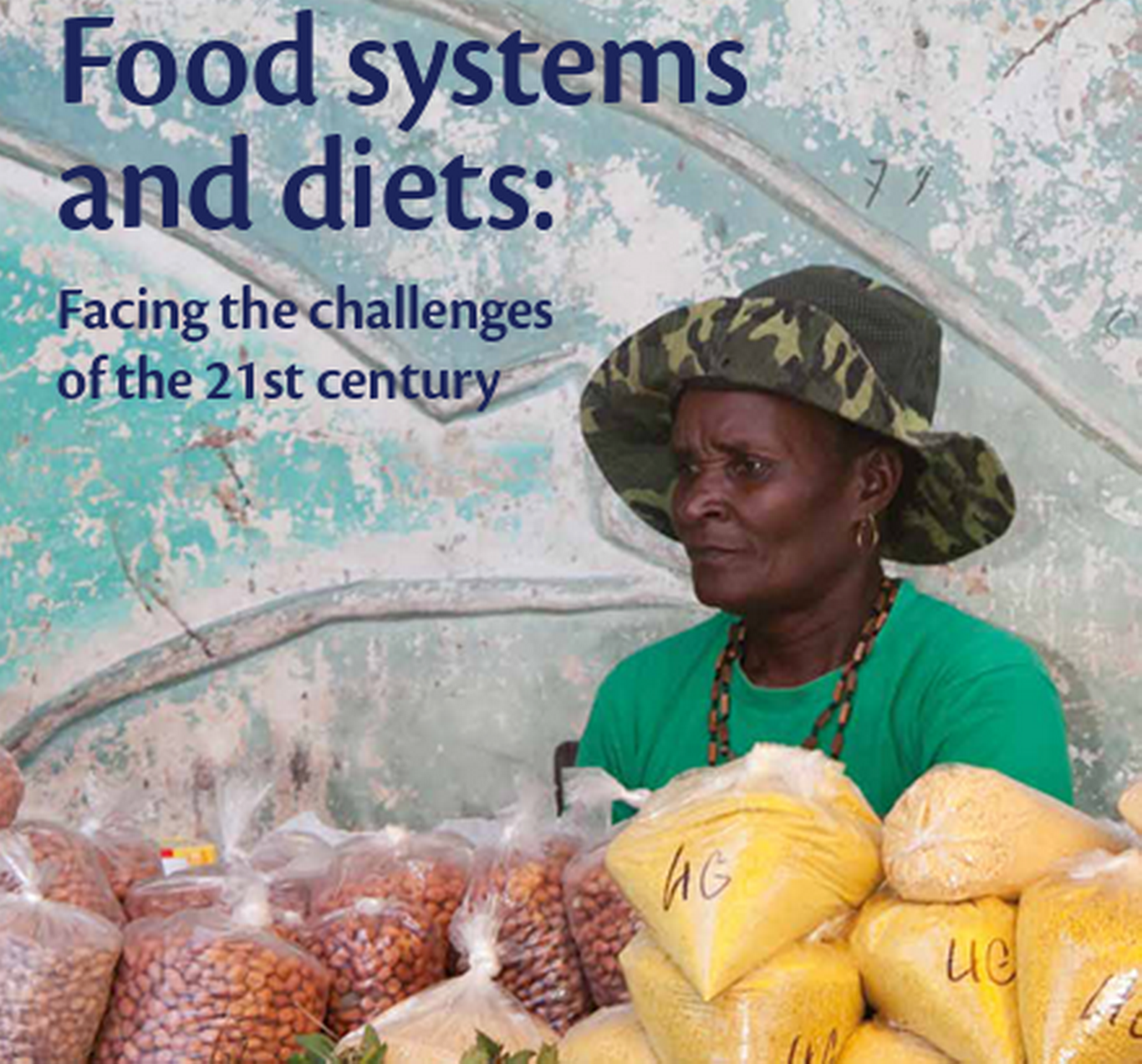
The Global Panel on Agriculture and Food Systems for Nutrition, commissioned this Foresight report in 2015 to t

Driven to Waste: Global Food Loss on Farms, a report from WWF and Tesco, reveals an estimated 2.5 billion tonnes of food

The mindset of food leaders the world over has changed as a result of the UN Food Systems Summit (UNFSS) of 2021.