This FAO module provides foundational guidance on designing and implementing risk-based food inspection systems, emphasizing the use of risk catego
Other content with the tag "Food Safety".
This FAO handbook provides step-by-step guidance for countries on how to propose pesticide–commodity combinations for Codex Maximum Residue Limits
This report emphasizes that prevention is the most effective strategy against foodborne viruses, highlighting contamination routes (water, food han
This study highlights the rapid growth of food e-commerce and the gaps in current legal frameworks, recommending integrated regulations to ensure f
The article provides an update on FAO’s Vision and Strategy for Nutrition, focusing on integrating nutrition across agrifood systems to achieve hea
This review explores the presence and impact of micro- and nanoplastics in food, focusing on human dietary exposure.
This FAO foresight article explores the food safety implications of new food sources such as edible insects, jellyfish, and seaweeds.
This FAO article examines food safety risks and benefits of edible insects.
This FAO project enhanced the risk assessment and management capacity of Armenian authorities in food safety, animal, and plant health.
This FAO-WHO report discusses hazards in seaweed production and trade, including heavy metals, allergens, and microbiological risks.
This factsheet advocates a One Health approach to food safety in Asia and the Pacific, emphasizing interdependence among human, animal, and environ
This illustrated poster promotes healthy maternal diets based on six food groups and emphasizes the importance of micronutrients like iodine, iron,
This FAO Lebanon briefing outlines risks related to pesticide misuse and smuggling, especially amidst Lebanon’s economic crisis.
This management response outlines FAO’s continued efforts to institutionalize and scale multisectoral nutrition actions under the MUCH project.
This FAO/WHO call outlines criteria and expectations for scientific experts on food additives, contaminants, and drug residues.
This factsheet emphasizes the importance of food safety for children in schools and daycare settings.

This FAO-supported initiative in Mongolia enhanced food safety and plant health through pesticide monitoring, lab capacity development, and soil he
CASCADE Ethiopia operates in the Amhara region to support the government’s Seqota Declaration to end child stunting by 2030.
This policy brief explores food safety challenges in Ethiopia’s traditional markets, which serve as key sources of affordable food for much of the

The document explains how Codex Alimentarius standards contribute to controlling antimicrobial resistance (AMR) in foodborne pathogens.

This fact sheet highlights the importance of food safety in fruit and vegetable production.

Strengthening Food Control and Phytosanitary Capacities in Uganda (Fact Sheet Final Workshop Report)
This fact sheet summarizes the outcomes of a strategic workshop on strengthening Uganda’s food control and phytosanitary systems.

The report discusses efforts to strengthen Liberia’s national food control system to enhance food safety and improve trade.

This report assesses the business operations, market dynamics, and nutrition-sensitive practices of agrifood small and medium enterprises (SMEs) in

This case study examines Georgia’s transition from a non-digital to a fully digital food safety control system, implemented by the National Food Ag

This discussion paper outlines best practices for food hygiene in traditional markets, especially in low-income communities in Africa and Asia.

The report details the EatSafe initiative in Ethiopia, supported by Feed the Future, which aims to enhance food safety in traditional markets.

This report from EatSafe presents evidence to support consumer and vendor engagement in traditional food markets, aiming to enhance food safety and
This report assesses food safety knowledge, attitudes, and practices in Nigerian traditional markets, focusing on Kebbi and Sokoto States.

This baseline assessment examines food safety behaviors and knowledge among consumers and vendors in Ethiopia’s traditional markets.

This study evaluates the physicochemical properties and microbial quality of both commercially produced (branded) and traditionally produced (unbra

This report focuses on the EatSafe initiative, a USAID Feed the Future program aimed at improving food safety in traditional markets in Nigeria and
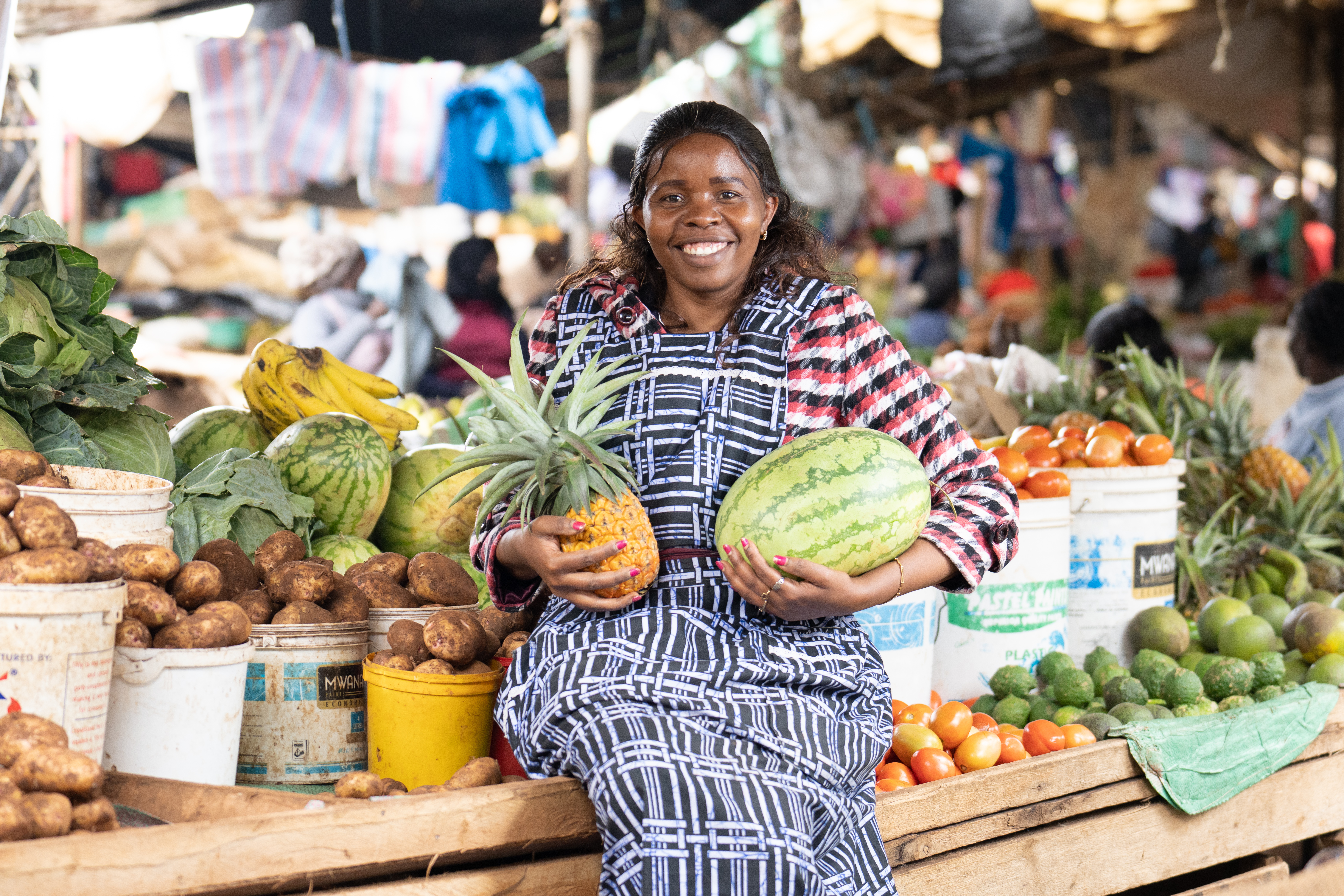
This report details the reconstruction of Buguruni Market in Dar-es-Salaam, Tanzania, a key food distribution hub serving 70,000 consumers daily.
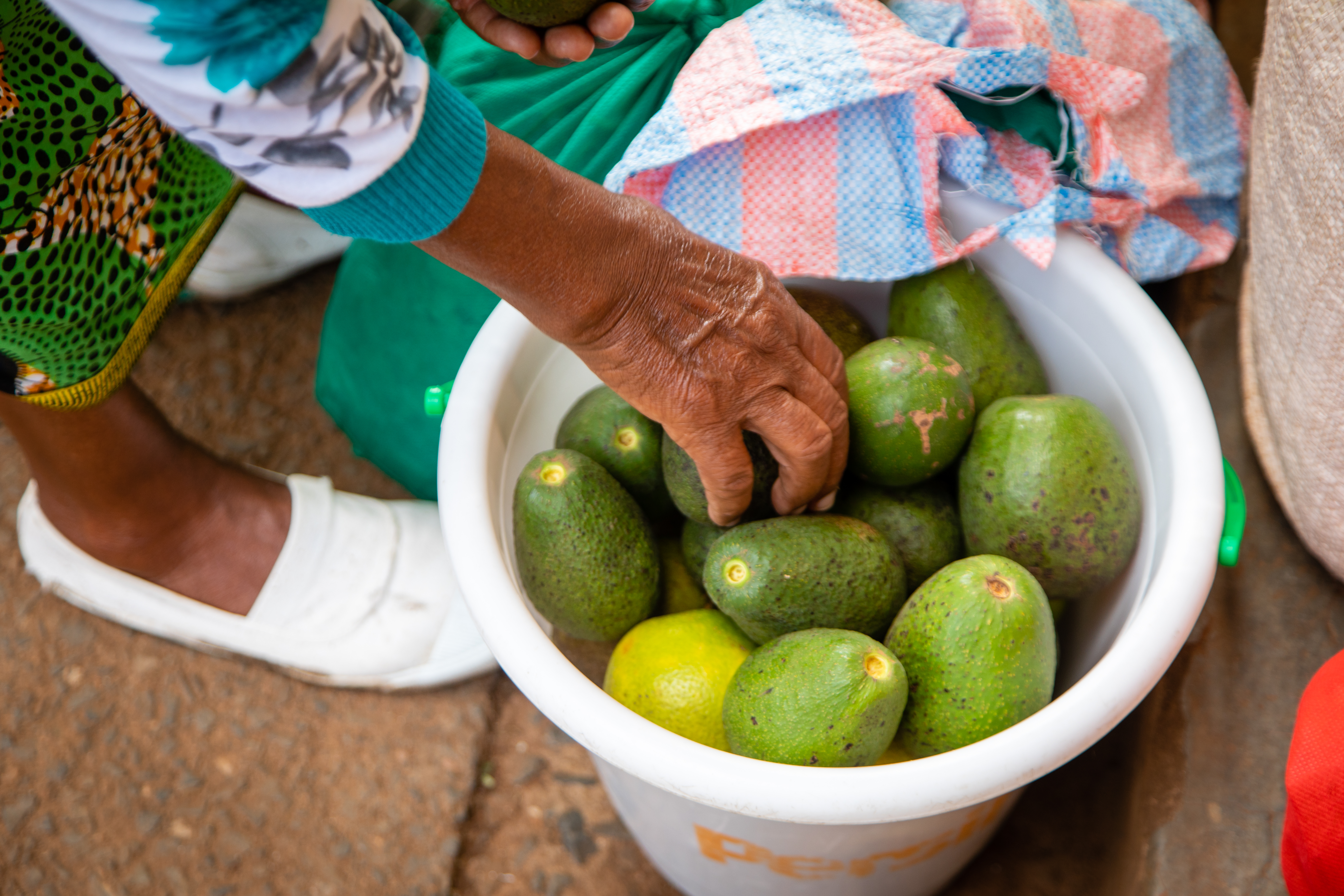
This Feed the Future (FTF) EatSafe report presents evidence-based insights on engaging consumers and market actors to improve food safety in tradit
This USAID Feed the Future EatSafe Report provides a framework for improving food safety in traditional markets in Nigeria and Ethiopia.
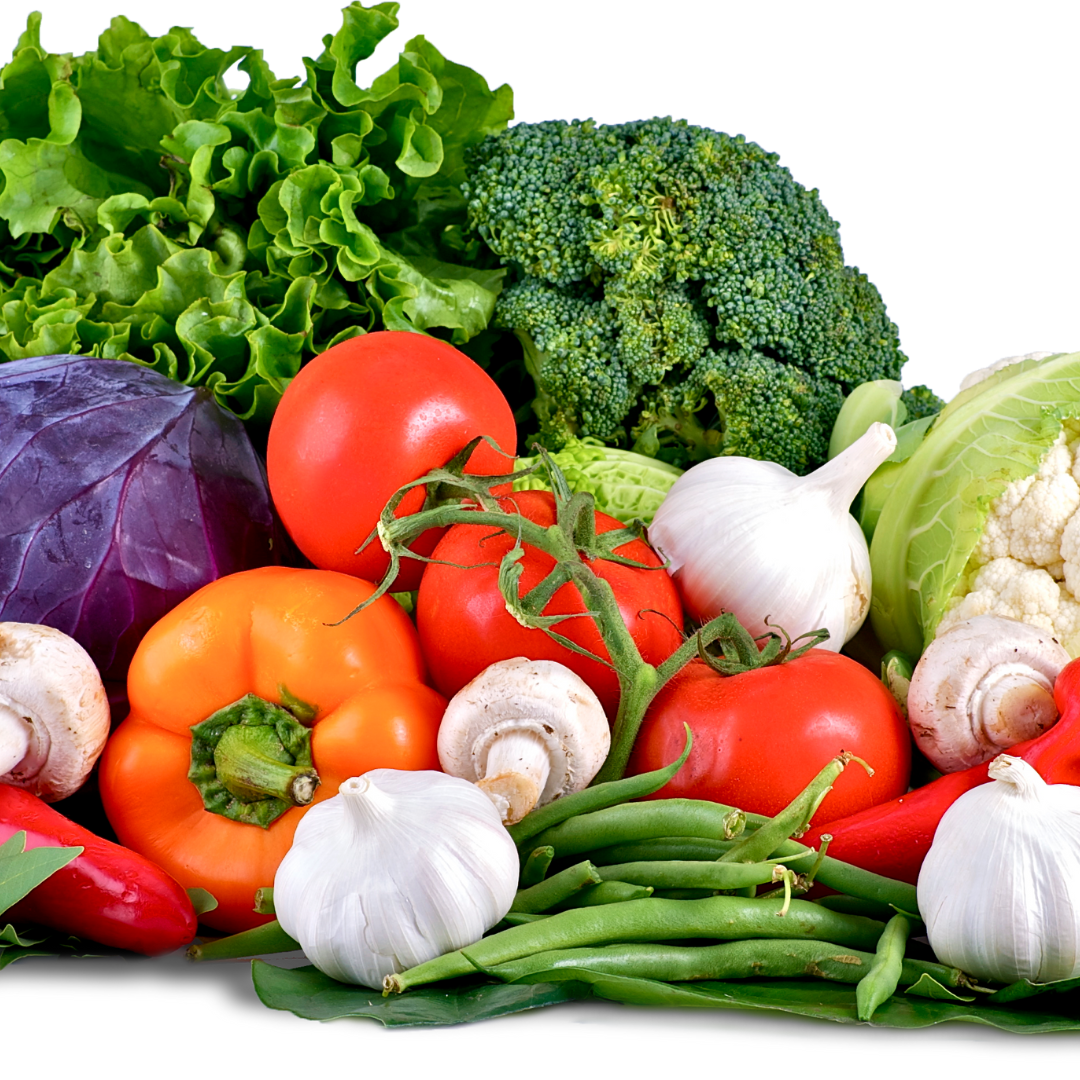
This paper explores a food-systems approach to food safety in low- and middle-income countries (LMICs), outlining key challenges in food safety and
This comprehensive review highlights toxic compounds formed during food processing, such as acrolein, acrylamide, polycyclic aromatic hydrocarbons

This study examines the adoption of milk safety practices among smallholder dairy farmers in Ethiopia.

This study evaluates the bacteriological quality of ready-to-eat (RTE) foods from Baze University’s cafeteria.

This study examines the effects of calcium carbide (CaC2) as a ripening agent on bananas.

This study evaluates the microbial quality of beverages like kunu, zobo, and soymilk sold in reused bottles.

This study investigates the nutritional and safety profile of fonio-ricebean-based complementary foods enriched with carrots and crayfish.

This study examines aflatoxin contamination in cereals (Igbemo rice, maize, and groundnut) from Ekiti State, Nigeria.

This study investigates the microbial quality and antibiotic resistance of Staphylococcus aureus in ready-to-eat (RTE) foods sold in Obio/Akpor, Ri

This review explores the rise of clean-label products emphasizing simple, natural ingredients and minimal processing.

This study evaluates the microbial safety of ready-to-eat fruits from six markets in Port Harcourt, Nigeria.
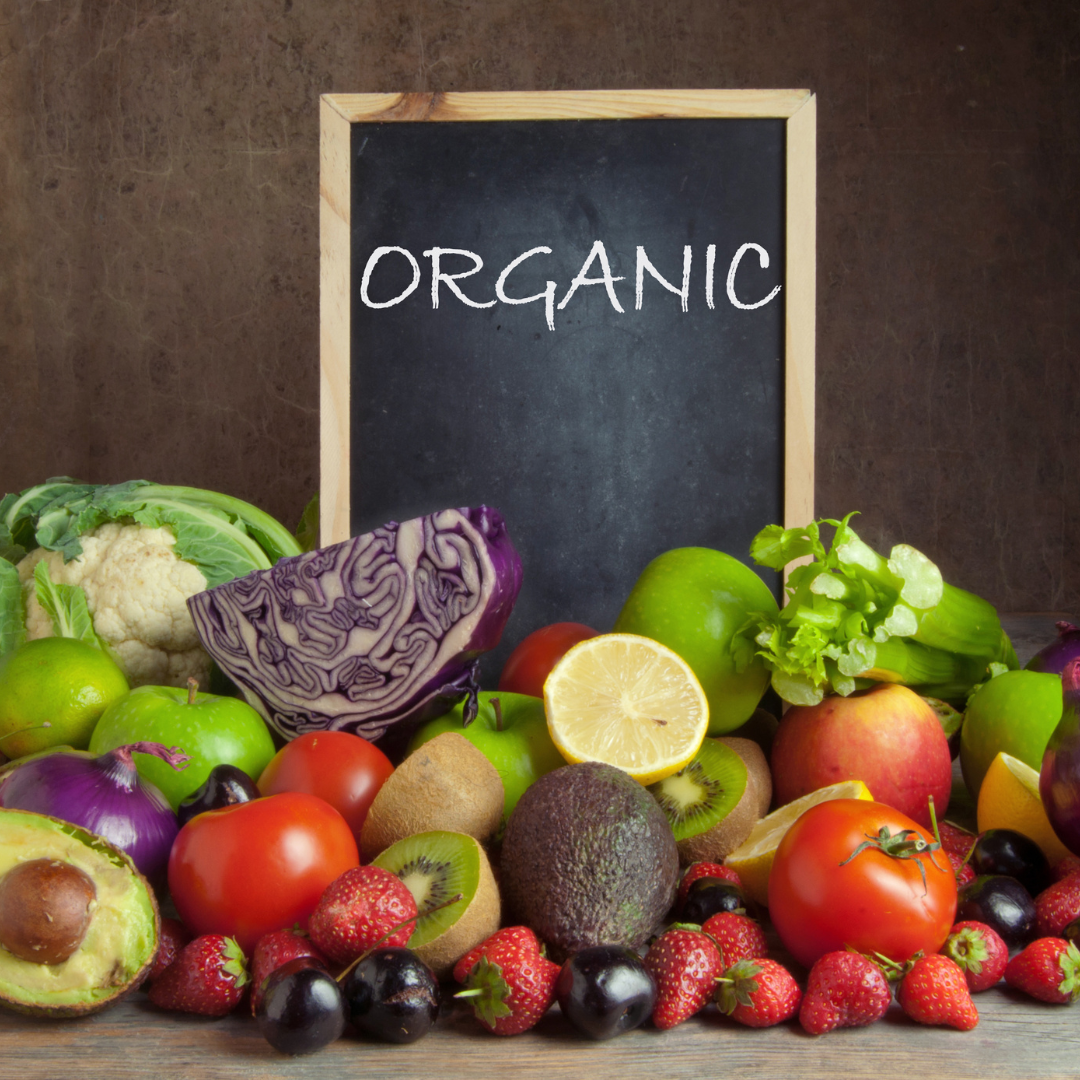
This study assesses consumer perceptions of organic foods during the COVID-19 pandemic.
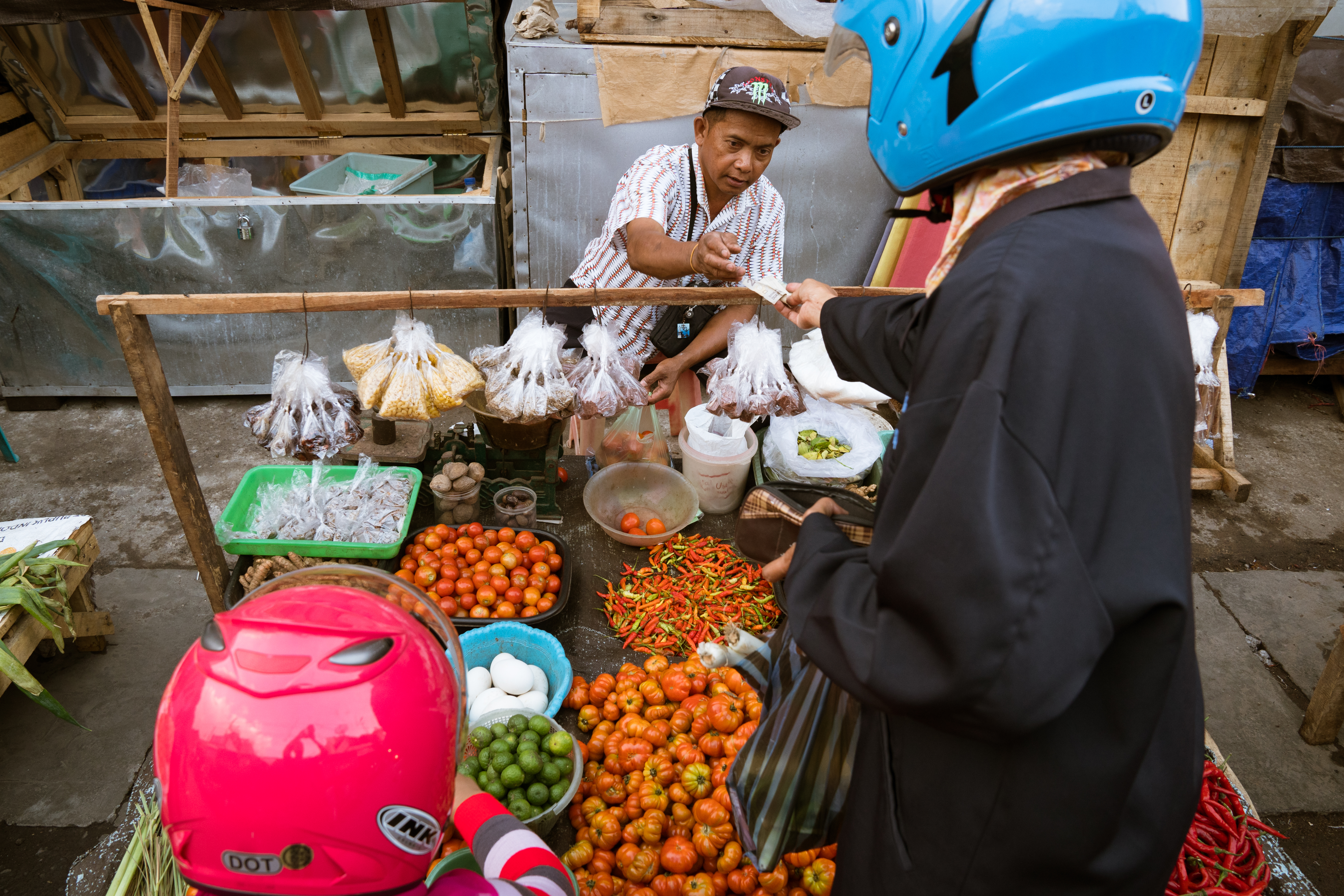
This study evaluates food safety practices among 30 handlers of Kachumbari, a raw vegetable salad, in Mwanza City, Tanzania.
This paper outlines a framework for effective food safety risk communication in the Asia-Pacific region.

This study investigates bacterial contamination in fruits and vegetables from markets and home gardens in Southwestern Nigeria.
This study evaluates the microbiological quality and food safety practices among halwa producers in Zanzibar.
The Norwegian Scientific Committee for Food Safety (VKM) assesses the health risk of acrylamide—a probable carcinogen found in heat-treated foods l

This study provides a comprehensive risk analysis on food safety hazards in the production and distribution of seed sprouts, such as alfalfa and mu
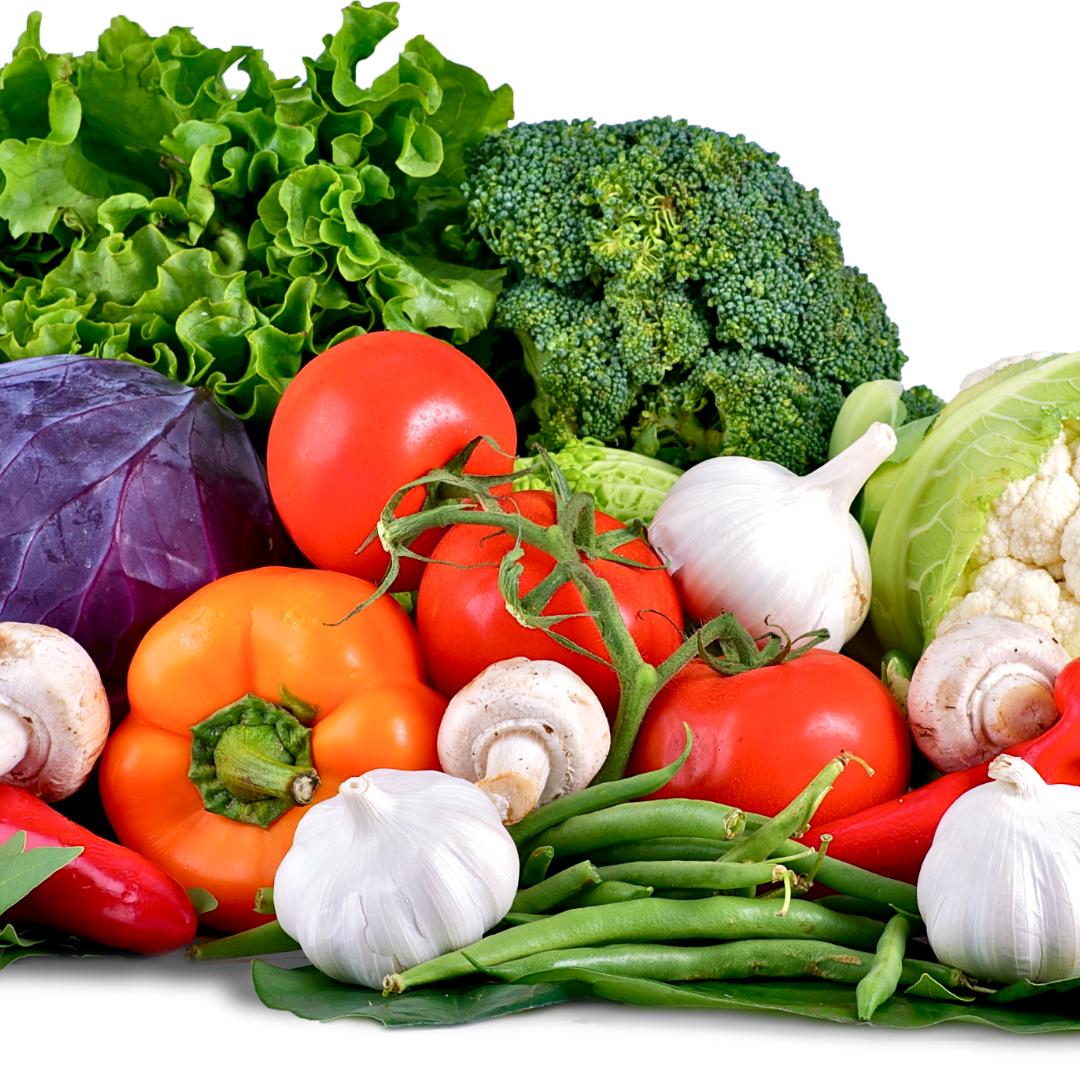
Summary: This report, commissioned by the Norwegian Food Safety Authority, examines antimicrobial resistance (AMR) in Norway's food chains across a
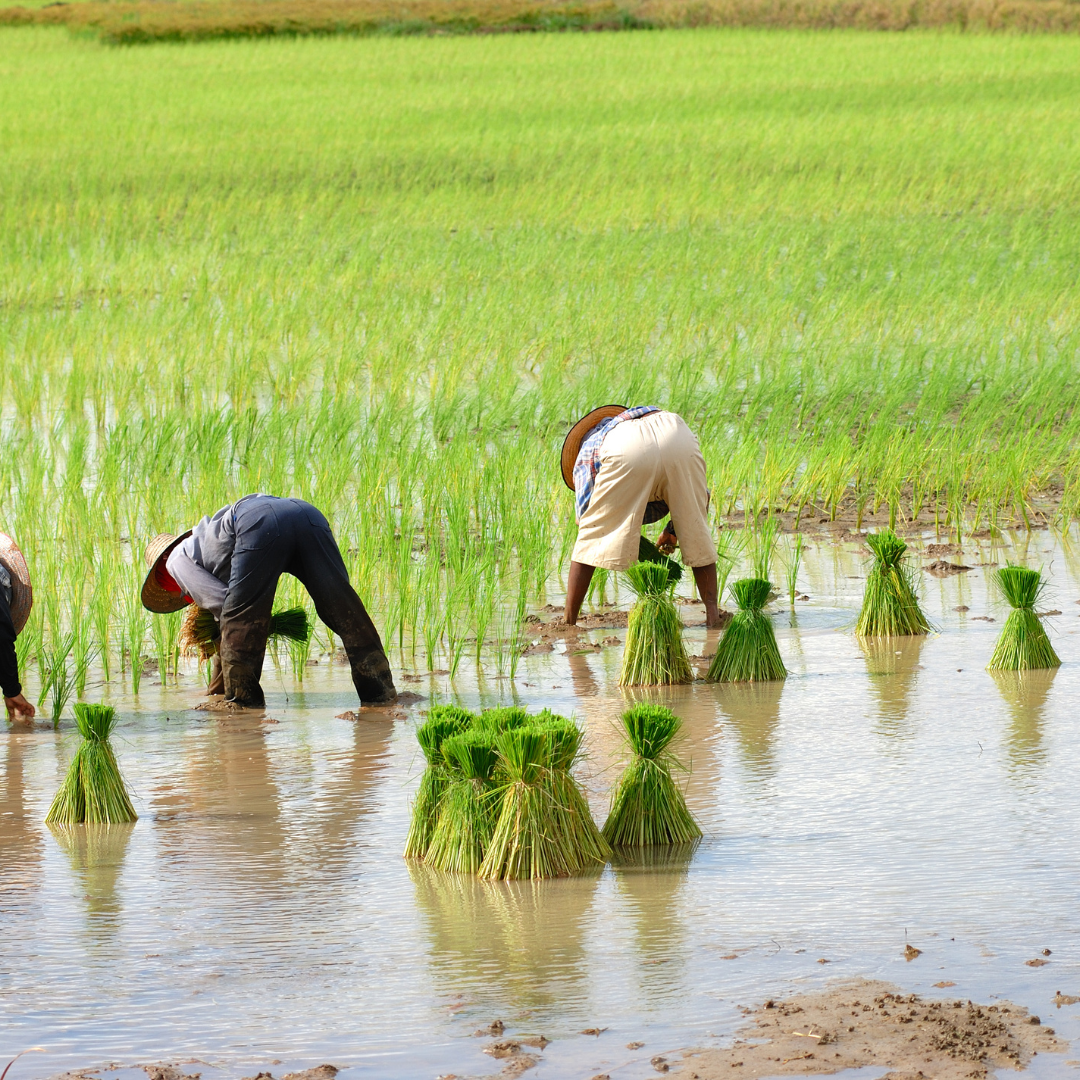
This report examines pesticide residues in organic and conventional food products based on data from the 2010 EFSA report and Norwegian monitoring.
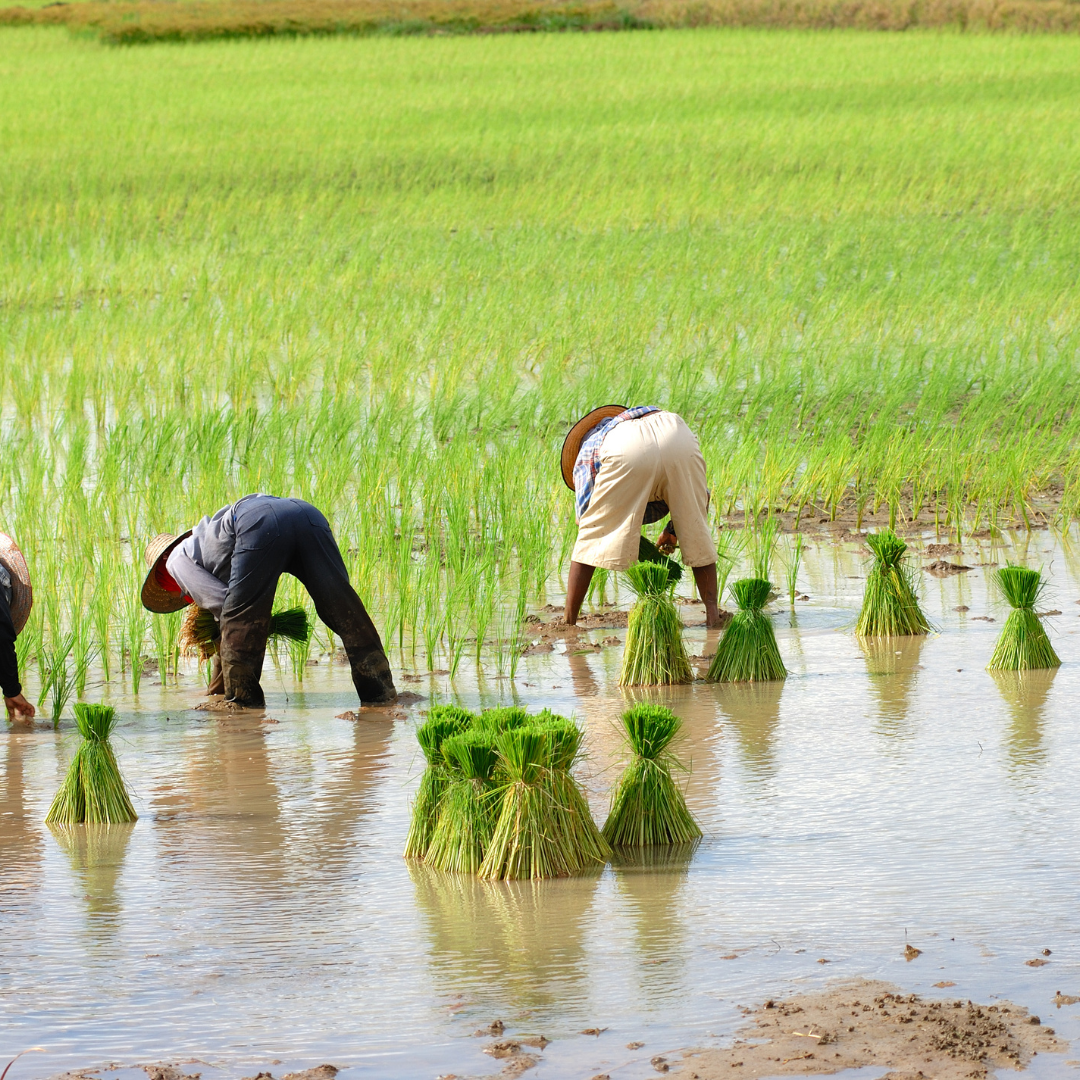
Summary: This report assesses the differences between organic and conventional food production in Norway, covering plant health, animal welfare, hu

The article examines how climate change influences microbiological food safety in Sweden, focusing on the risks posed by pathogenic microorganisms

This article discusses a dual approach to improve baby food safety through advanced sensor technology and blockchain.
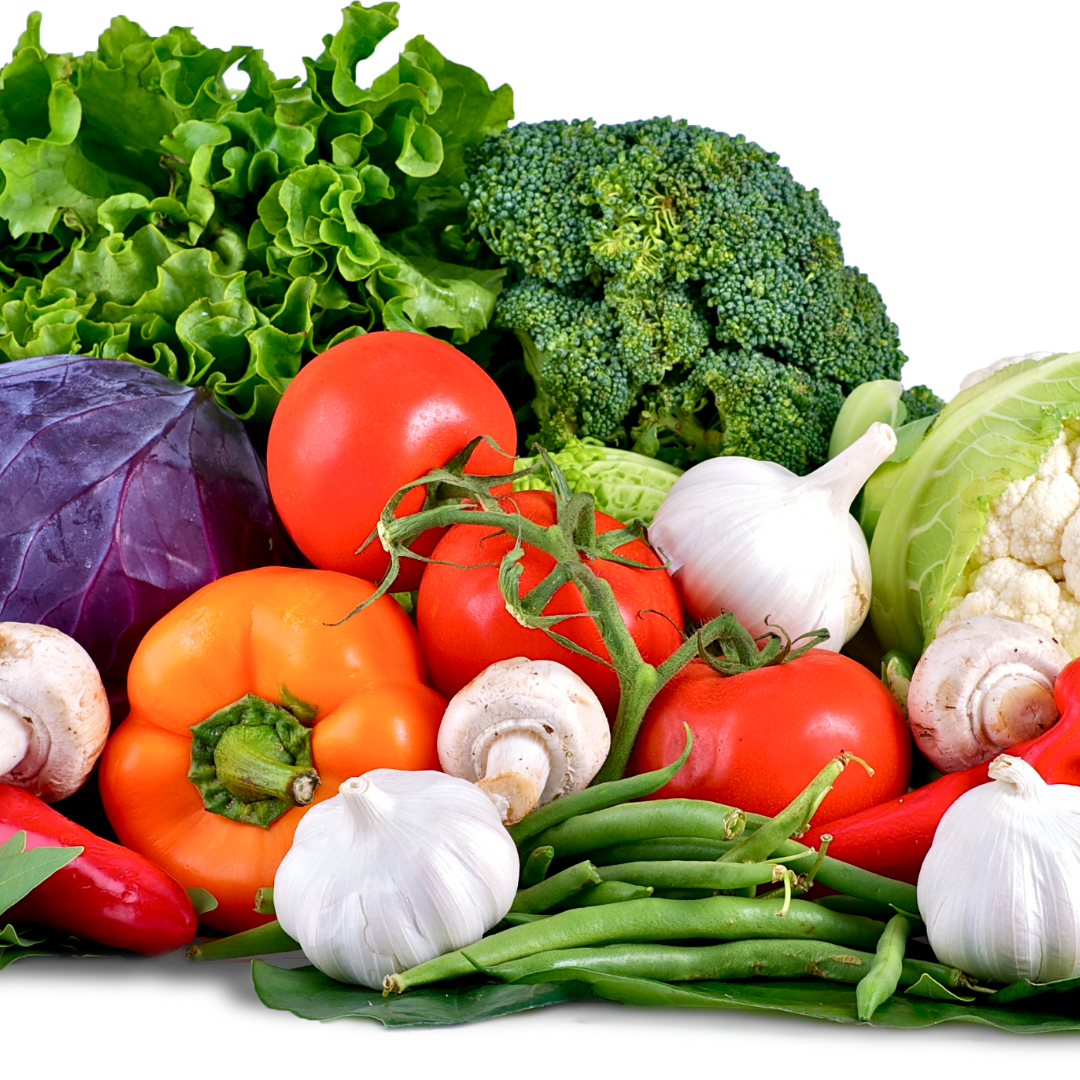
The study assesses the concentration of heavy metals, such as chromium, iron, copper, zinc, and lead, in vegetables commonly consumed in Freetown,
VKM investigates the dietary cadmium intake in Norway, with a focus on food sources like brown crab meat, offal, and bivalve mollusks, which have h
This article discusses Australia’s approach to evaluating the risk of bovine spongiform encephalopathy (BSE) in imported beef products.
This review assesses the food safety landscape in the Dominican Republic, highlighting the economic growth, legislative measures, and government in

This paper discusses the dual effects of sustainable agricultural practices, focusing on unintended food safety risks in circular economies.
This study investigates the interplay between food safety and dietary diversity in urban Ghana, analyzing microbial contamination and household die

This review discusses the use of natural compounds, such as green tea and grape seed extracts, for their antiviral effects in enhancing food safety
This review addresses food safety risks and sustainability in utilizing food manufacturing side streams (FMSS) within the food circular economy.
This study highlights the low levels of food safety knowledge and poor hygiene practices among street food vendors in Dhaka, Bangladesh, with only
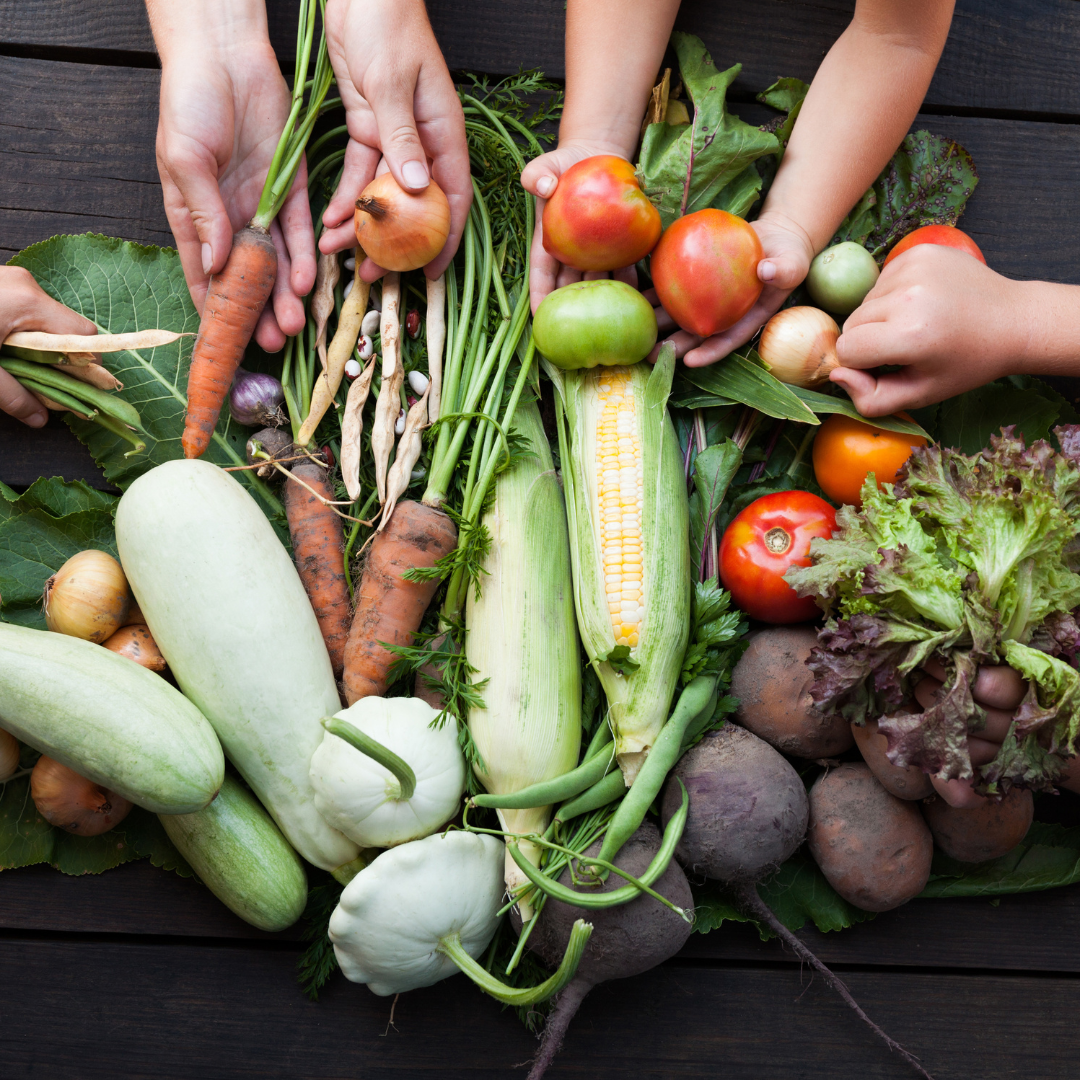
This review examines the applications and safety concerns of carbon dots (CDs) in the food industry.
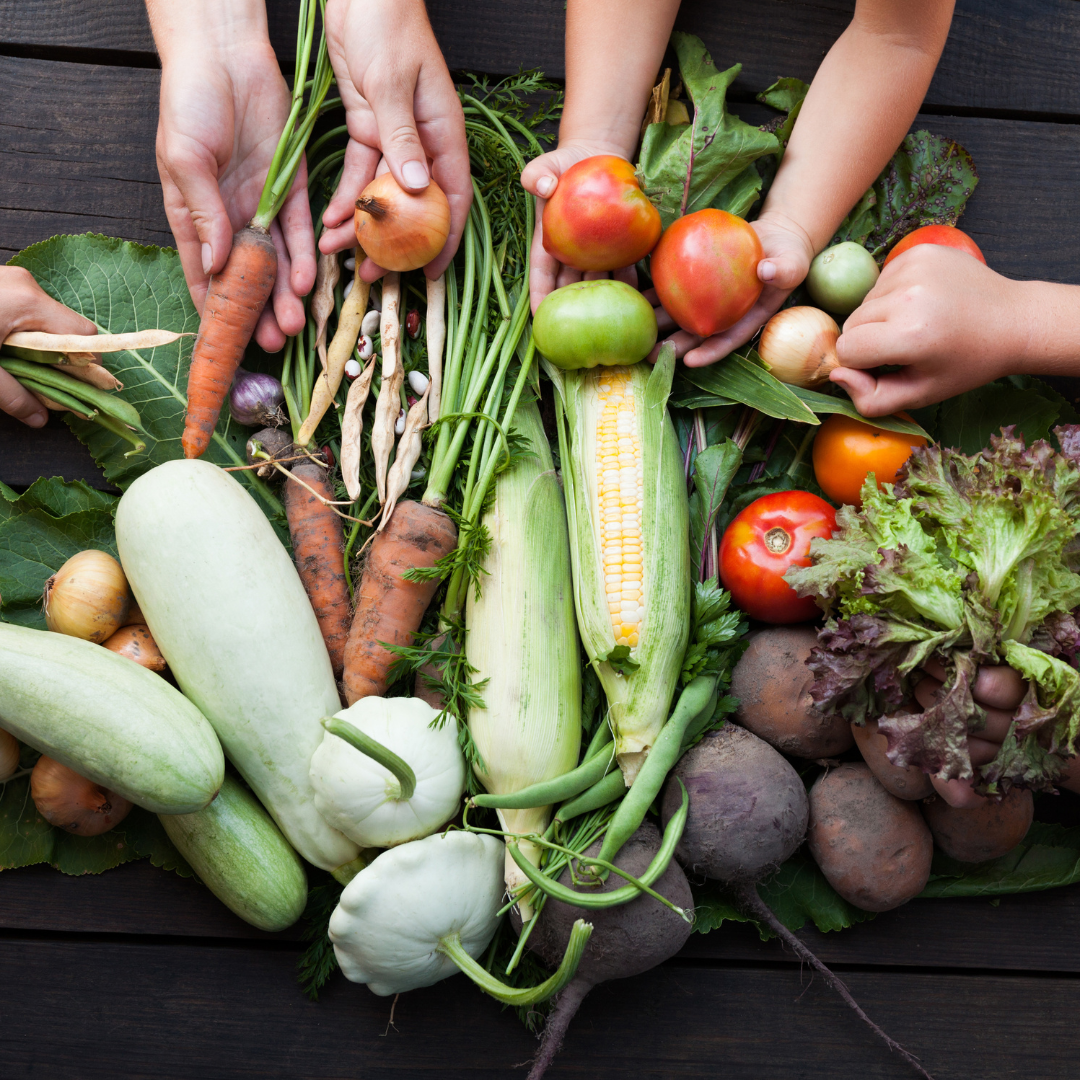
A Novel Approach to Identify Critical Knowledge Gaps for Food Safety in Circular Food Systems (2024)
This perspective paper introduces a new approach to assess food safety risks in circular food systems, focusing on unexpected hazards in by-product

Despite the progress observed over the past decades, food and nutritional insecurity remain the prominent challenges in Ethiopia.


The World Health Organization (WHO) suggests implementation of policies to restrict marketing of foods high in saturated fatty acids, trans-fatty a
Food loss and waste pose a major threat to both global food system security and sustainability.
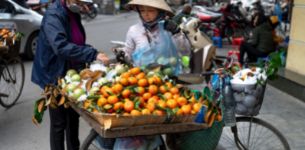
Consumption of unsafe foods increases morbidity and mortality and is currently an issue, particularly in low- and middle-income countries.