This policy stocktaking report analyses France’s national approach to reducing food loss and waste (FLW) across the entire food supply chain, based
Other content with the tag "Sustainable Food Systems".
The world is currently facing two interconnected and severe crises: widespread malnutrition and environmental degradation.
This edition reflects on Kenya’s progress and collaborative efforts in advancing its nutrition agenda, especially in light of the upcoming 2025 Nut
The article records the endorsement and draft decision to adopt the policy recommendations on youth engagement and employment in agriculture and fo
The article explores the role of diversification in enhancing access to diverse and nutritious food in Europe and Central Asia.
The inaugural issue of the UN-Nutrition Journal explores the urgent need for transformative action in nutrition amidst global crises such as COVID-
The report discusses a collaborative FAO-IGAD project (2018–2021) aimed at reducing post-harvest losses (PHL) to strengthen food and nutritio
This brief highlights the role of biosecurity in mitigating disease in seaweed farms, focusing on Malaysian case studies.
This annual report outlines FAO’s achievements in Latin America and the Caribbean, including digital village initiatives, sustainable agriculture,

This study explores stakeholder engagement in circular food systems in five Brazilian municipalities.
This report presents a global food system monitoring framework with 50 indicators covering diets, environment, equity, governance, and resilience.

This study argues that rigorous, science-based monitoring is crucial for tracking food system transformation toward global sustainability goals.

The concept note outlines the objectives and agenda of the Regional Conference on Food Systems Sustainability organized by the Black Sea Economic C

The FAO Action Plan outlines the organization’s strategy for addressing climate change through sustainable food systems and resilient agricultural

This program evaluation report assesses the effectiveness of the FIRST Programme, a joint initiative by FAO and the EU aimed at enhancing food secu

This FAO publication serves as a companion to the Compendium of Forgotten Foods in Africa, emphasizing the role of traditional and underutilized fo
This FAO technical manual provides guidance for micro, small, and medium-sized food-processing enterprises (MSMEs) to reduce food loss and waste (F

This high-level FAO dialogue, co-organized with the Government of France, highlights the intersection of climate change and malnutrition.

This FAO-Green Climate Fund (GCF) initiative supports climate adaptation in Kenya’s Lake Region Economic Bloc (LREB).

This flagship report by FAO, IFAD, UNICEF, WFP, and WHO examines global food security and nutrition trends.

This report summarizes the key discussions from the Harvard Nutrition Obesity Symposium, focusing on the transformation of global food systems to a

This strategy outlines an approach to transform food systems globally by leveraging cities as focal points.
This report assesses the intersection of climate action and nutrition, revealing that integration between the two is weak across global policies an
This report from the Global Alliance for Improved Nutrition (GAIN) outlines their policy approach to transforming food systems globally, focusing o
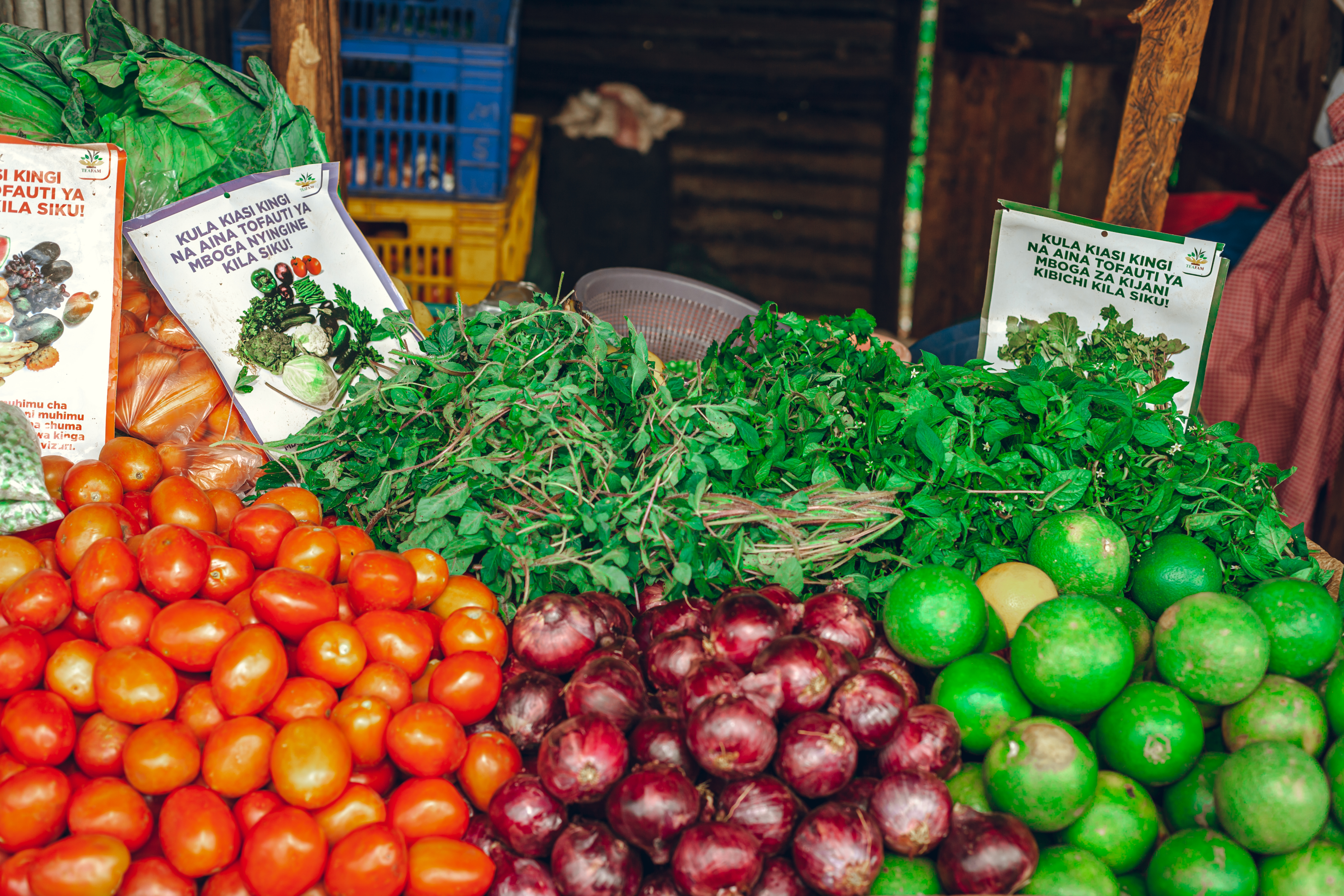
This report argues for integrating child nutrition into investment decisions, highlighting economic, social, and health benefits.
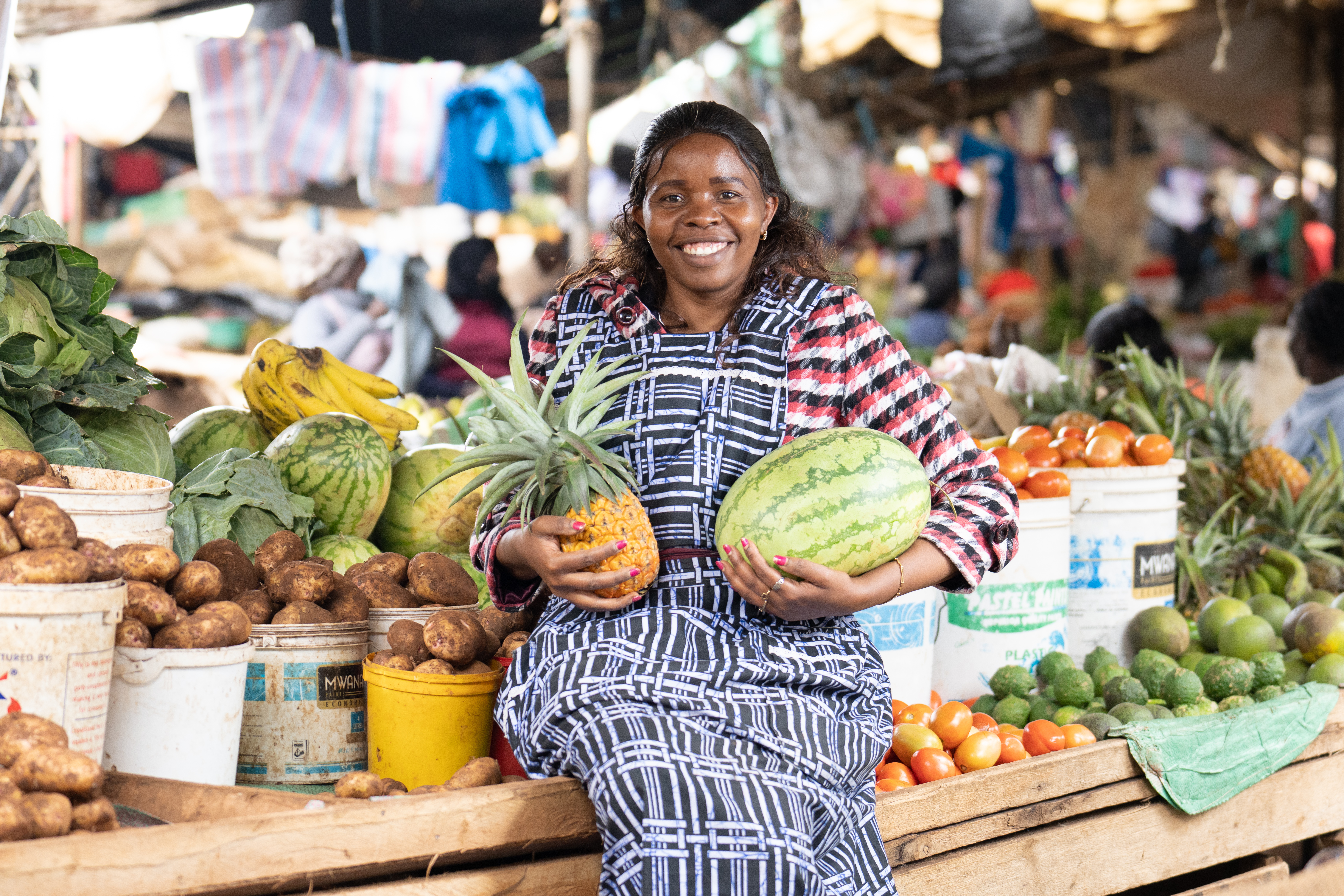
This report details the reconstruction of Buguruni Market in Dar-es-Salaam, Tanzania, a key food distribution hub serving 70,000 consumers daily.

This comprehensive review explores the relationship between food loss, food waste, and achieving Sustainable Development Goals (SDGs).
This infographic report examines how climate change affects health and nutrition.

This review explores the impact of climate change on nutrition and food security in the Eastern Mediterranean Region (EMR).
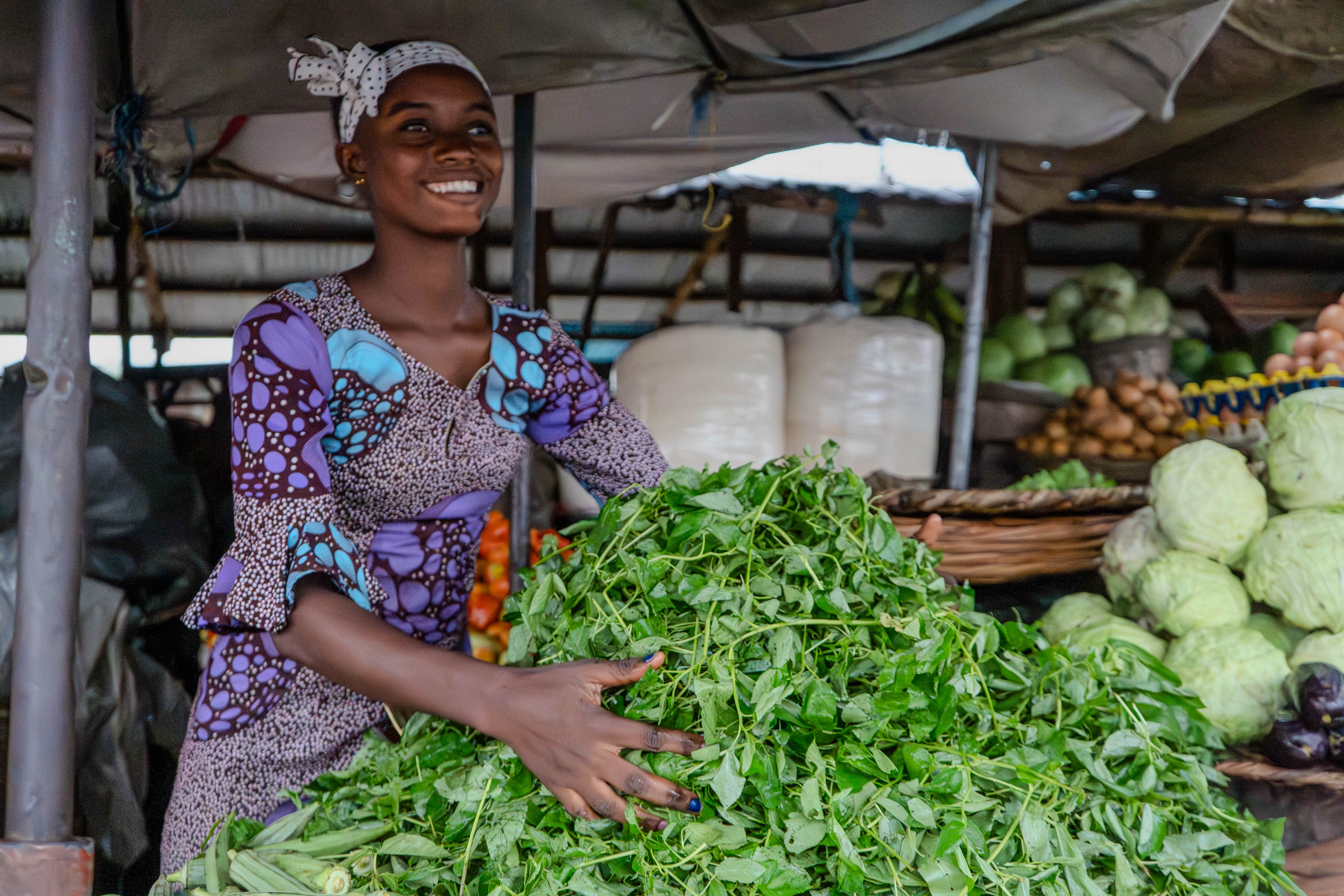
This GAIN Working Paper No.

This paper presents insights from a symposium on multi-sector governance in food security and nutrition, held at the Micronutrient Forum’s Global C

This policy paper explores the role of governments in steering food systems governance, emphasizing the need for intersectoral coordination and reg

This report presents the Pakistan Subnational Food Systems Dashboard (PSFSD), developed by GAIN, FAO, Columbia Climate School, and Johns Hopkins Un
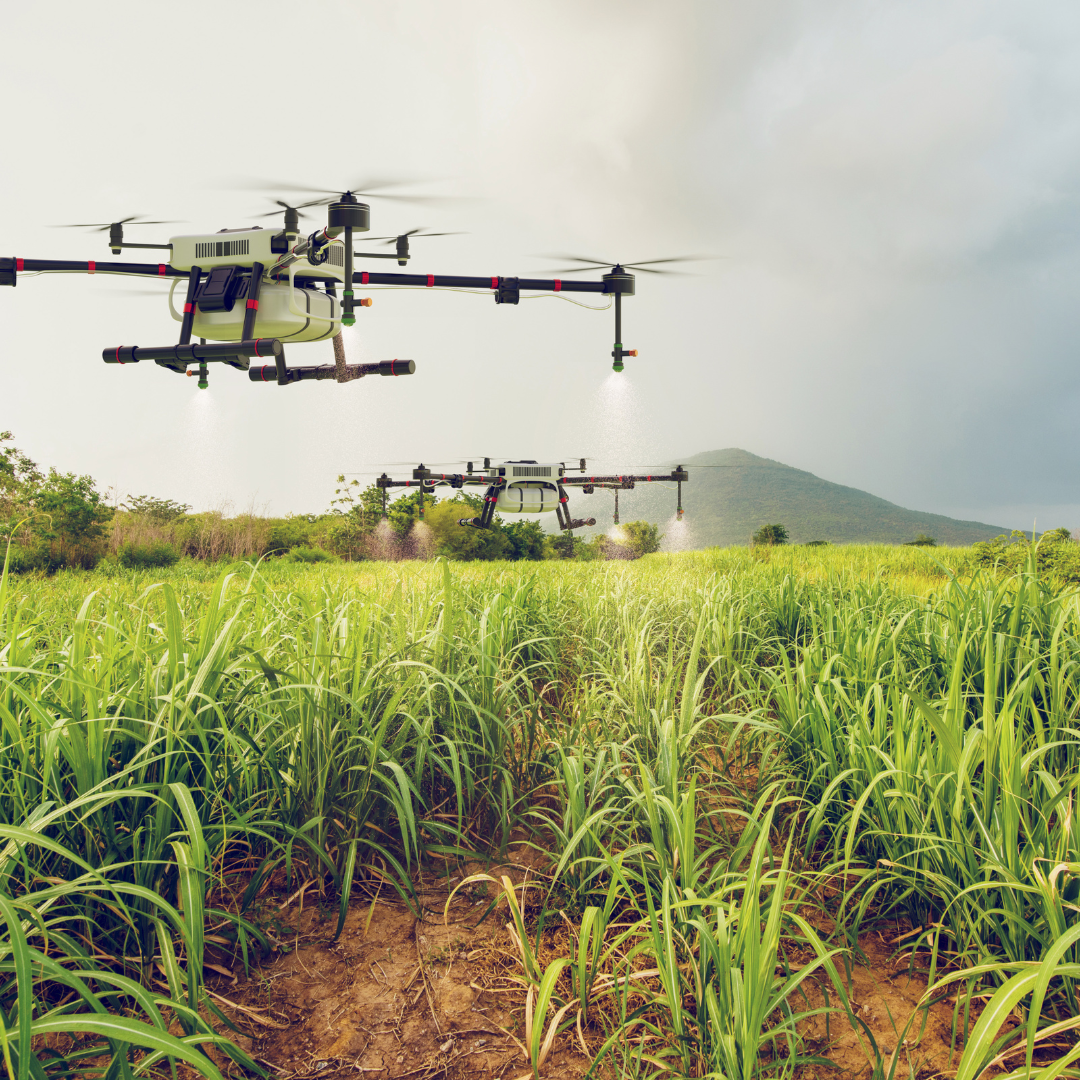
This report highlights the need for new metrics to monitor food system transformation in Ethiopia, Mozambique, Nigeria, Tanzania, and Kenya.
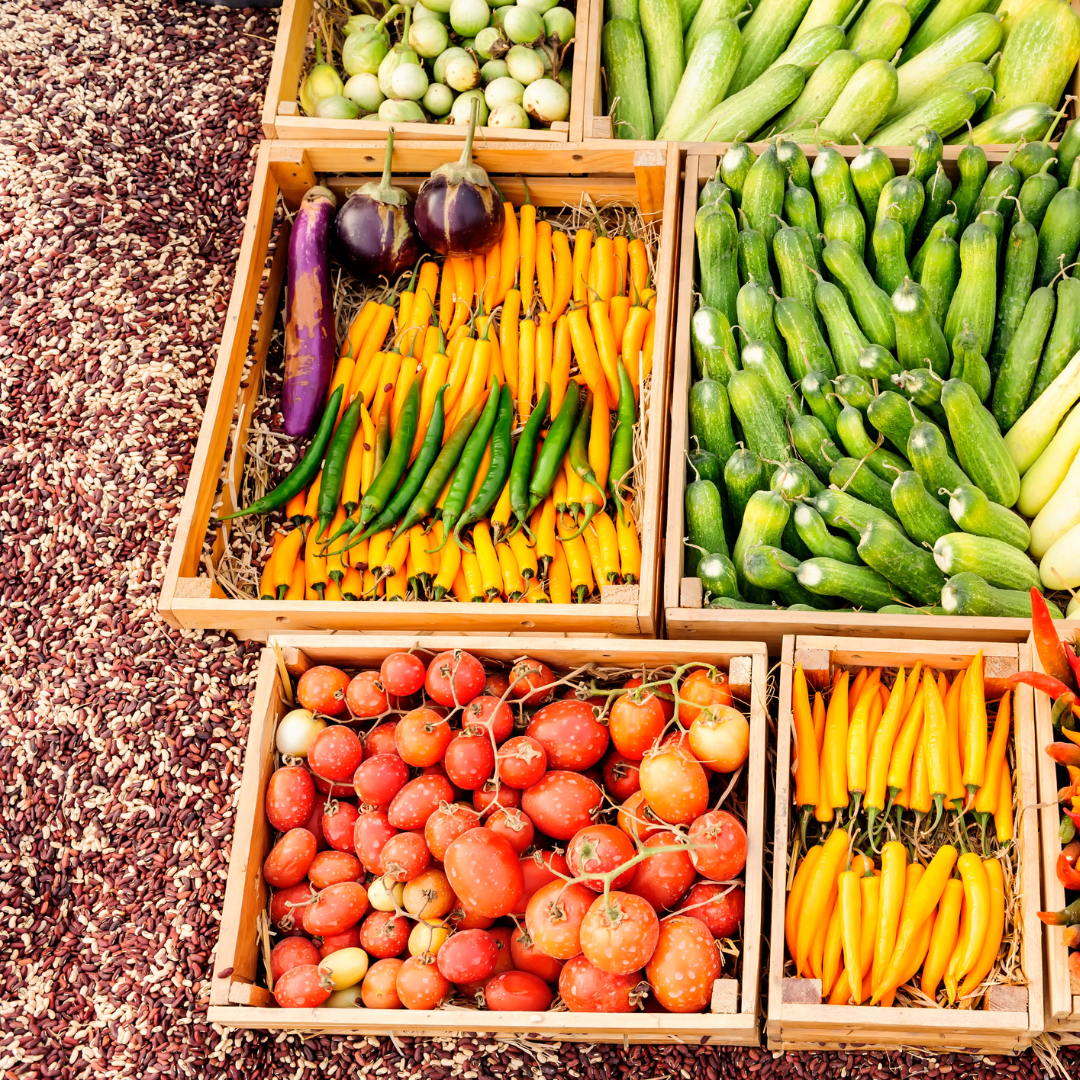
This review explores the interconnected challenges of food security, climate change, and gender inequality.
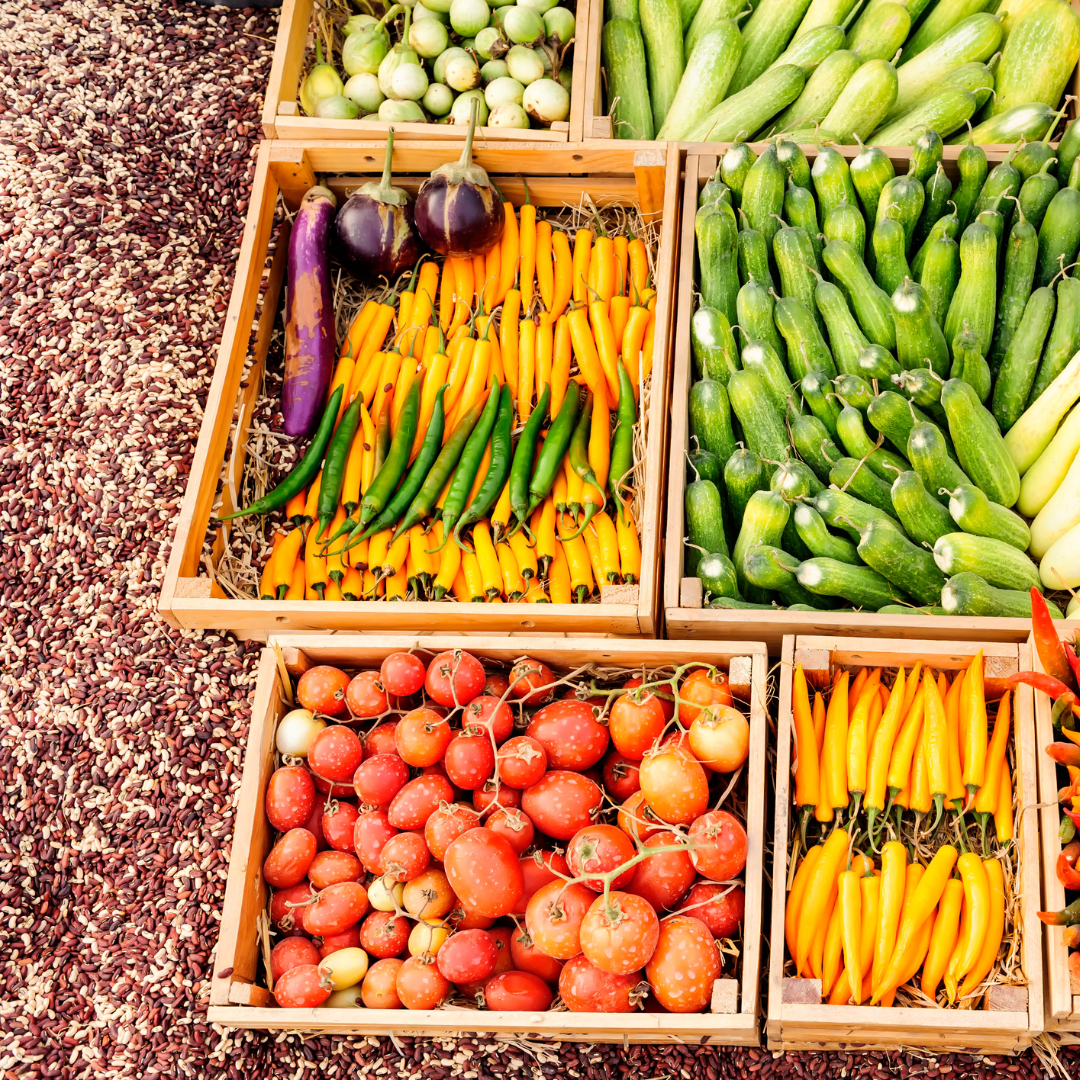
This paper emphasizes a holistic approach to transforming food systems for health and sustainability.

This study investigates the socioeconomic factors contributing to food loss in the early stages of the food supply chain, such as farm production,
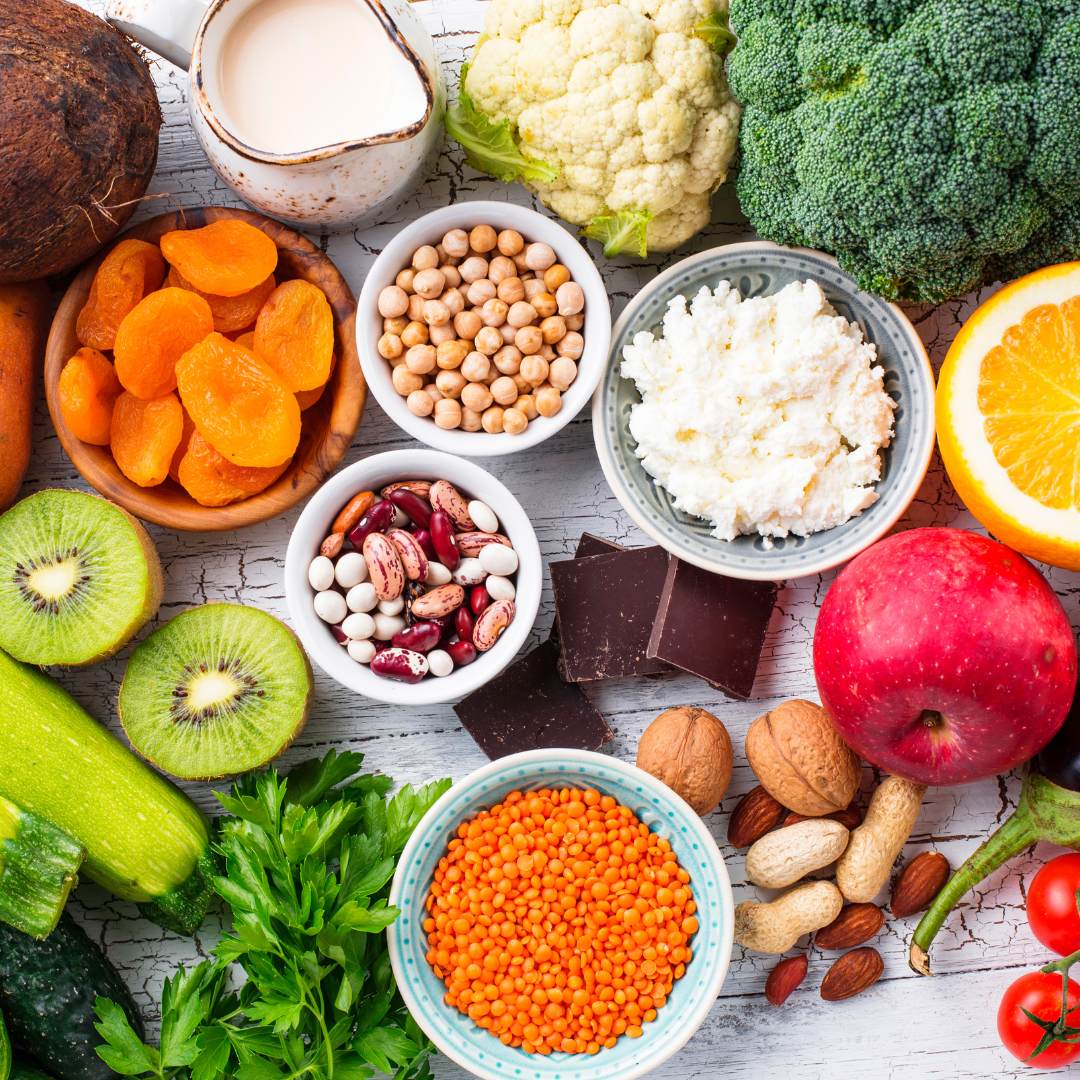
This review addresses food safety risks and sustainability in utilizing food manufacturing side streams (FMSS) within the food circular economy.
This report outlines a framework for a transdisciplinary approach to sustainable food systems, addressing interconnected issues like obesity, envir

Authored by Amanda Grech, Eloise Howse, and Sinead Boylan, this review examines governance strategies that support sustainable food systems across


The paper titled "Determinants of Food and Nutrition Security of Tribal Communities in the Hill and Mountain Regions: Empirical Evidence from North


A warming world brings risk of more extreme weather events, acidified oceans, regional biodiversity collapse and the disruption of establishe

Plastic pollution arising from food systems is driving policies for reduction, removal, reuse and recycling, but literature on plastic uses and out

Potential external cost savings associated with the reduction of animal-sourced foods remain poorly understood.


The authors review consumer-side interventions and their effectiveness to support a transition to healthier and more environmentally sustainable&nb

Climate change, rapid urbanization, war, and economic recession are key drivers of the current food systems’ disruption, which has been exacerbated